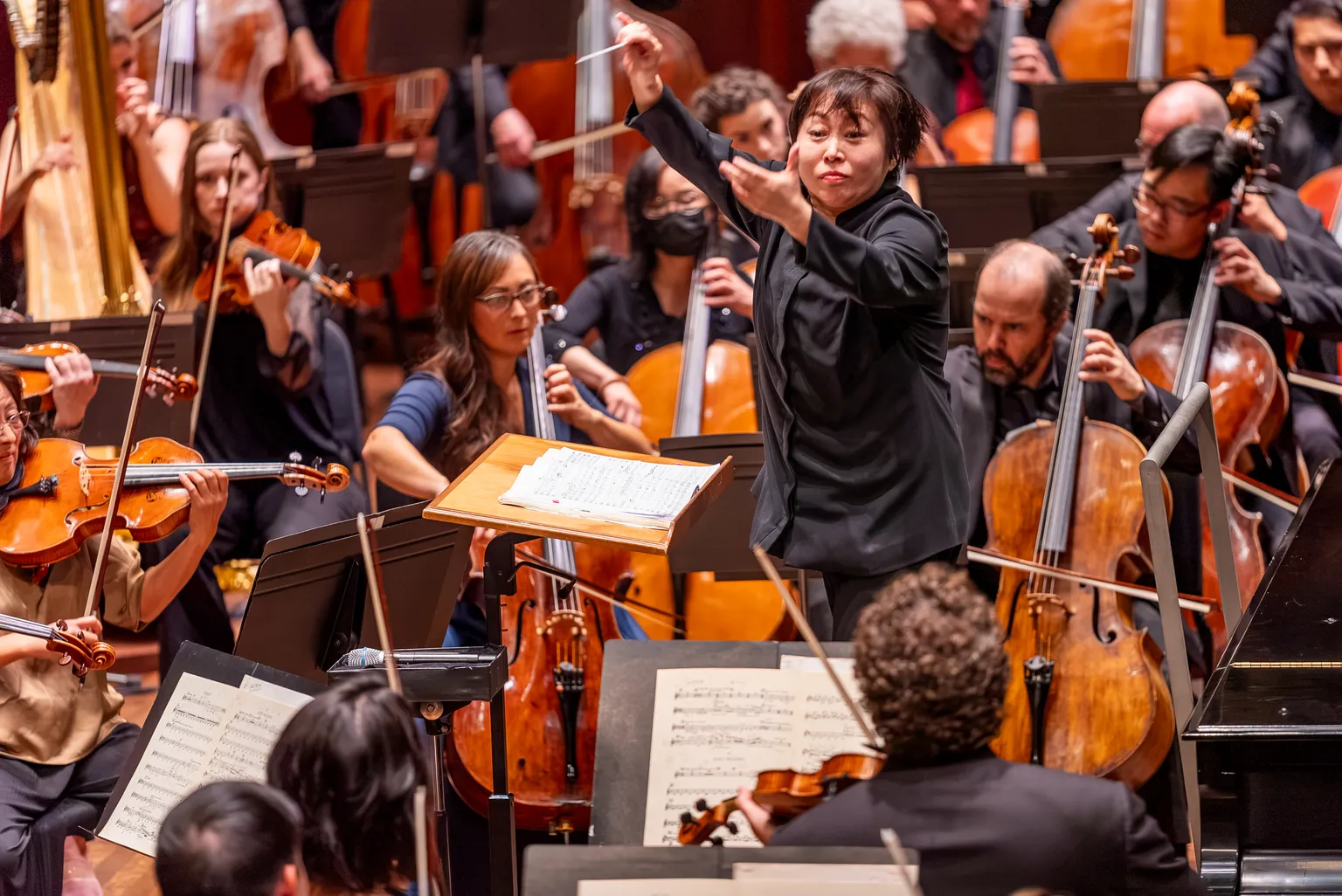
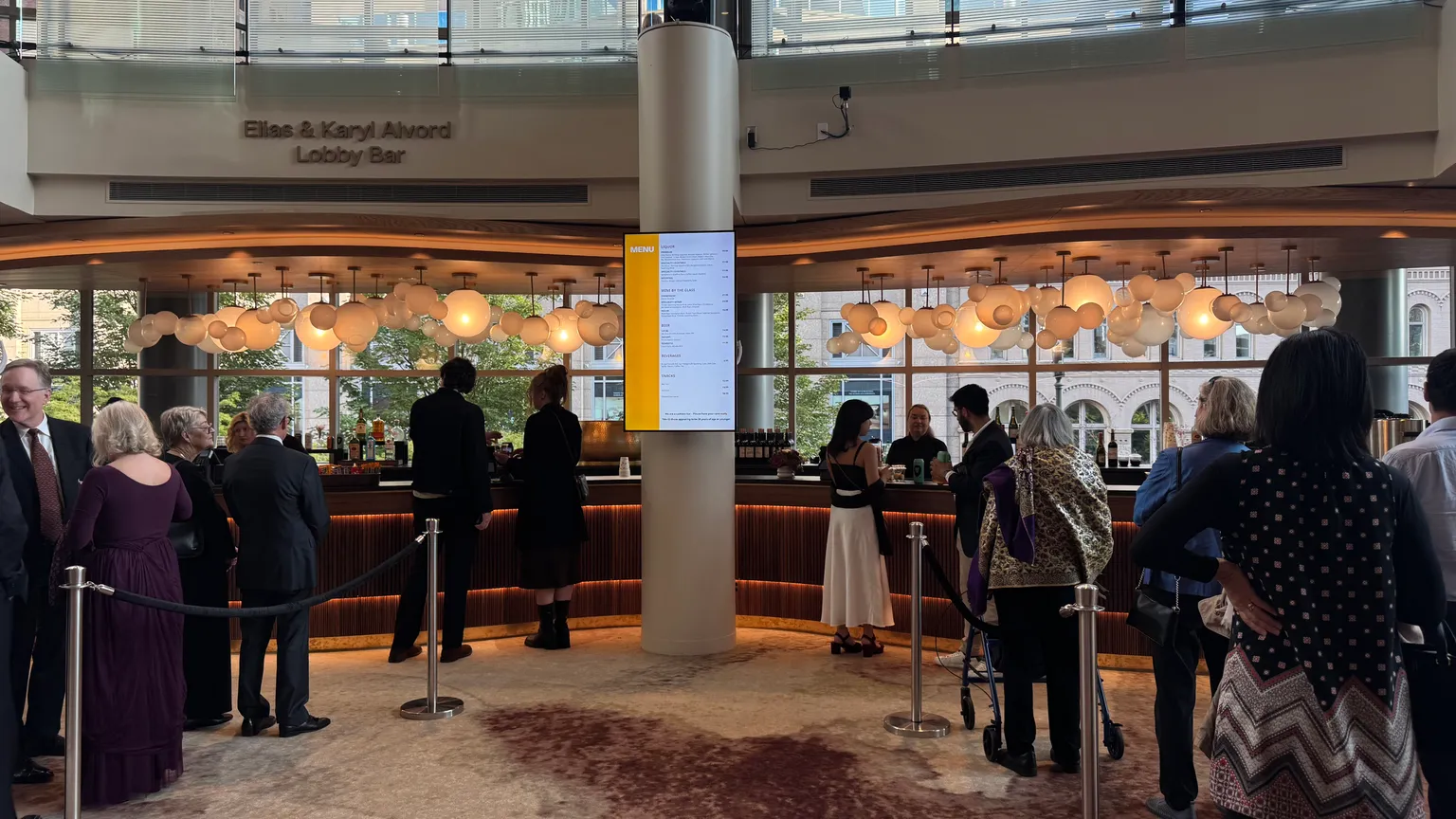
Seattle Symphony’s opening-night concert Saturday included an unusual extra audition: Benaroya Hall’s newly renovated public spaces met their first concert audience. A $20 million overhaul — the hall’s first major renovation since it opened in 1998 — has given the lobbies serving both auditoriums a striking makeover.
Evergreen Ensemble impressed me when I heard them last spring in the premiere of Connor Koppin’s To Look West for choir, string quartet, and piano, and I’m looking forward to their participation in the Seattle Bach Festival’s upcoming performances of Bach’s Mass in B minor.
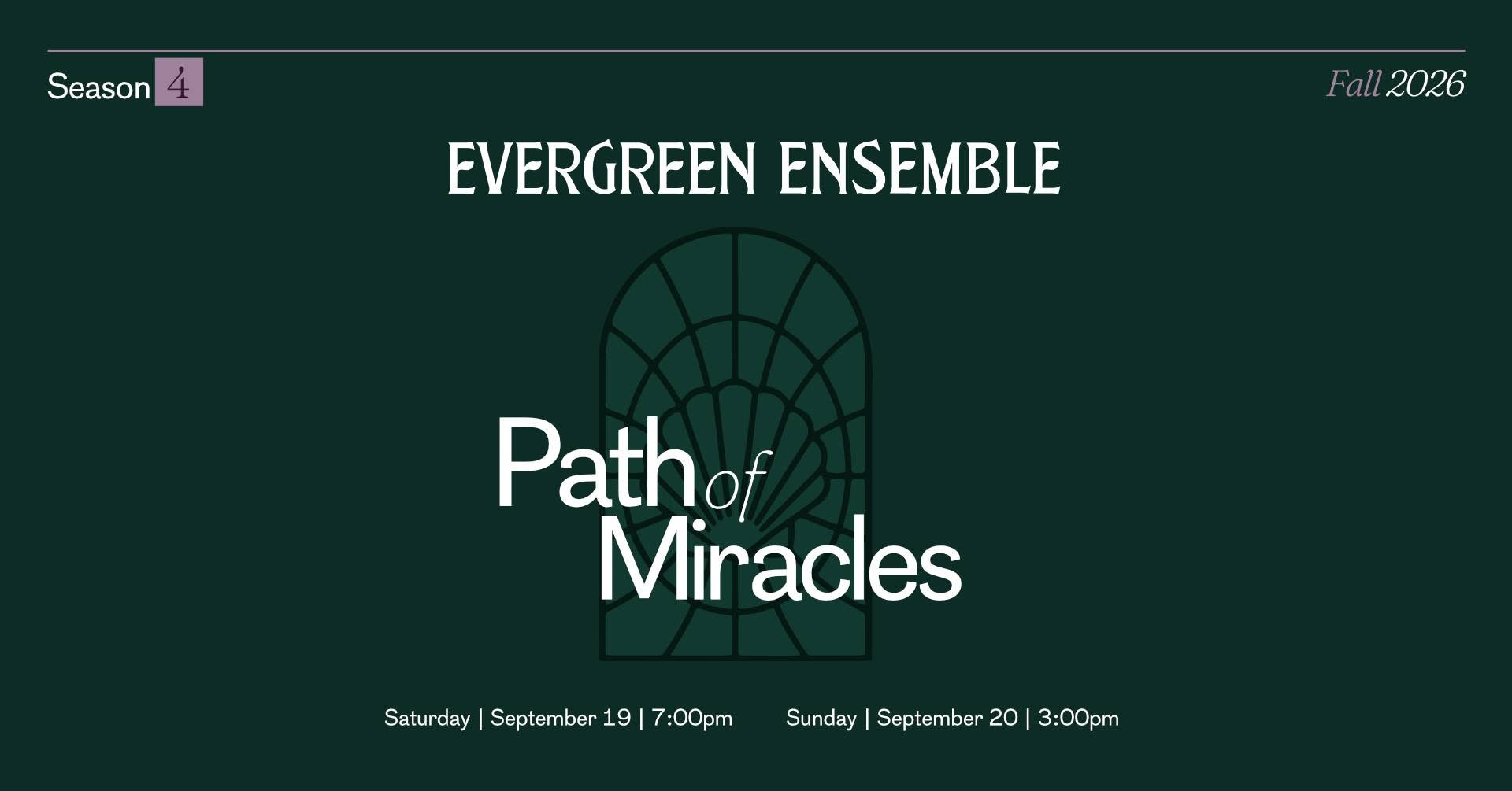
This afternoon, the Edmonds-based choir, led by David Hendrix, is presenting English composer Joby Talbot’s Path of Miracles, an cappella work inspired by the ancient pilgrimage route to Santiago de Compostela and evoking its spiritual and emotional dimensions.
Written for Tenebrae and premiered in 2005, Path traces the journey in four movements, setting a libretto by poet Robert Dickinson reflecting on the pilgrimage, with mediaeval texts interspersed.
Sunday, September 20, at 3 pm
Holy Rosary Catholic Church (West Seattle)4210 SW Genesee StSeattle, WA 98116
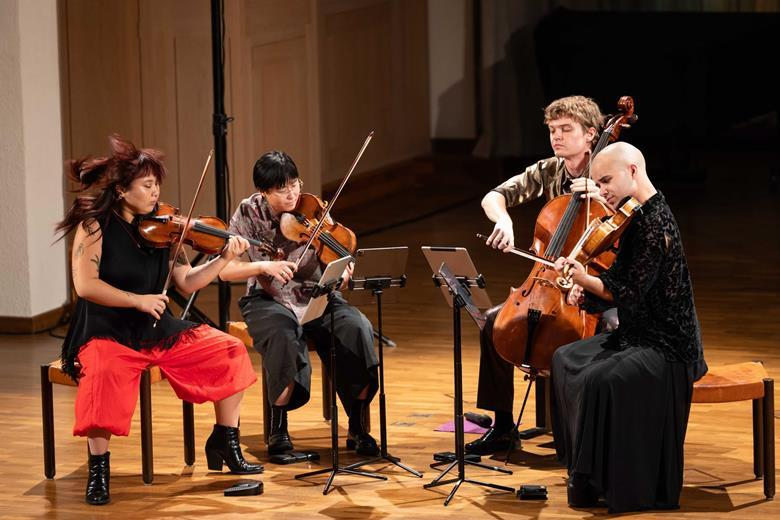
It was such a pleasure meeting and hearing the Banff-winning, innovative Poiesis Quartet at Lucerne Festival, where they played in the prestigious Debut series. Here’s my interview with violinist Sarah Ying Ma and cellist Drew Dansby for The Strad:
On the eve of their Lucerne Festival debut, Sarah Ying Ma and Drew Dansby of the Banff-winning American Poiesis Quartet talk about a changing line-up, an expanding repertoire and the ideas shaping the ensemble’s next chapter….
Augustin Hadelich is of course a familiar and well-loved figure in Seattle, where I last heard him in March in a memorable, thoughtfully programmed recital with Francesco Piemontesi at Meany Center for the Performing Arts. What a pleasure to encounter him in varied contexts at this summer’s Lucerne Festival as ‘artiste étoile.’
The first concert of my visit here brought the Beethoven Violin Concerto with the Berliner Philharmoniker and Kirill Petrenko – a kind of anti-concerto in its resistance to conventional virtuoso display that, paradoxically, became one of the great models for the Romantic violin concerto and that is also extraordinarily difficult to play convincingly.
I was blown away by Hadelich’s signature blend of warmth and poetry, and also by the natural give-and-take between him and this collective of world-class musicians, each with such a strong musical personality. As an encore, he offered his own touching arrangement of Schumann’s Träumerei.
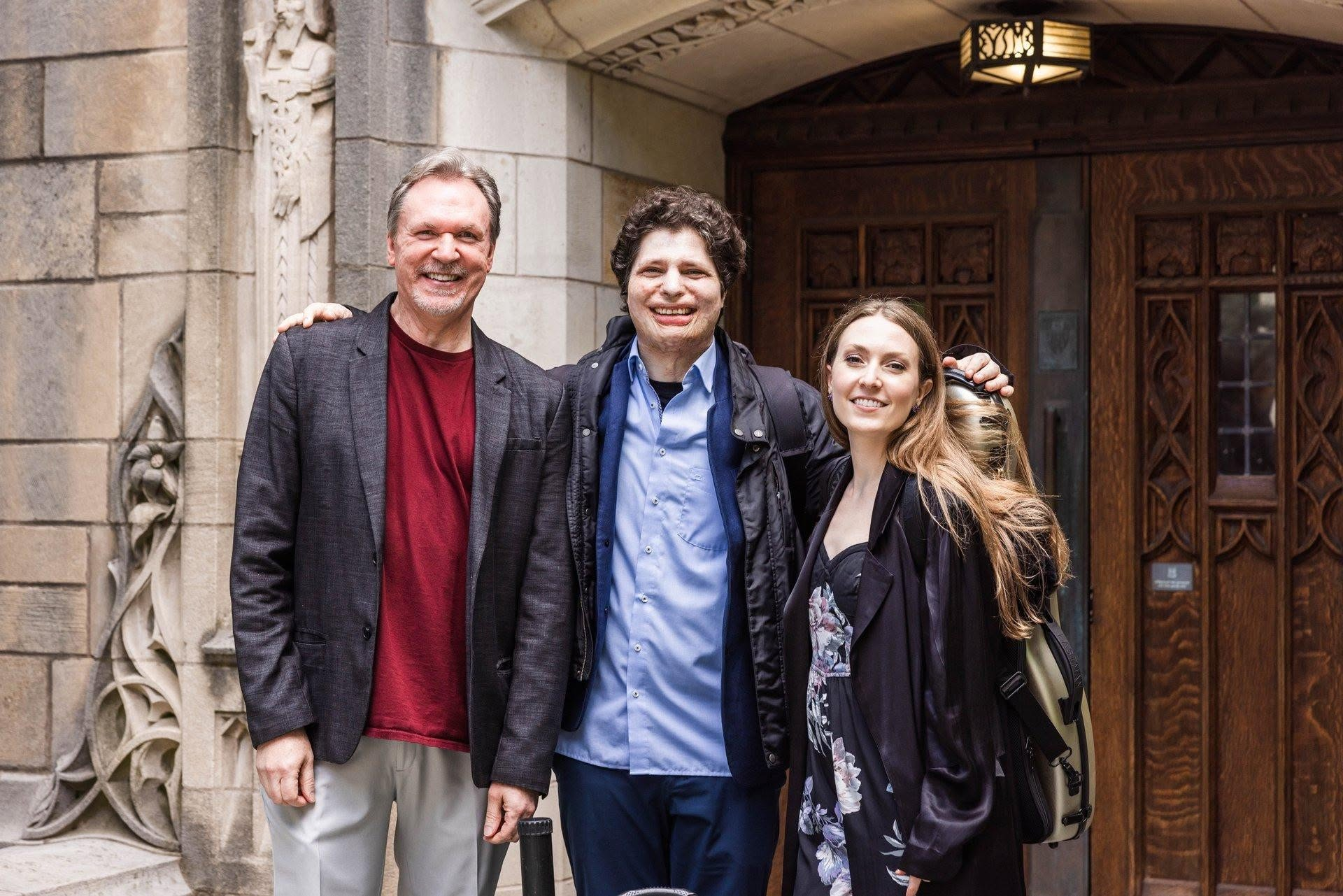
Over the weekend, Hadelich joined with Mark O’Connor and Maggie O’Connor (all pictured here together) for ‘Fiddle Night’ in the smaller venue that is used for many of the Lucerne Festival Academy concerts. The program opened with a set by the O’Connors, charmingly introduced from the stage and including ‘Wildflowers’ as a tribute to Dolly Parton. (Mark O’Connor also played on the original 1987 recording with Parton, Linda Ronstadt, and Emmylou Harris.)
Hadelich then took the stage alone for his arrangement of Howdy Forrester’s ‘Wild Fiddler’s Rag’ – also included on his American Road Trip album – and O’Connor’s ‘Menuhin Caprice,’ written for the Menuhin Competition, a witty take on virtuosity that fuses American fiddling with the classical caprice tradition.
The high point was O’Connor’s calling-card tune, ‘Appalachia Waltz’ – played by all three violinists together as an unhurried, shared meditation that seemed to reflect on Lucerne Festival’s ‘American Dreams’ theme with a certain ache – looking back at what the American dream once promised, and asking whether it still has a future.
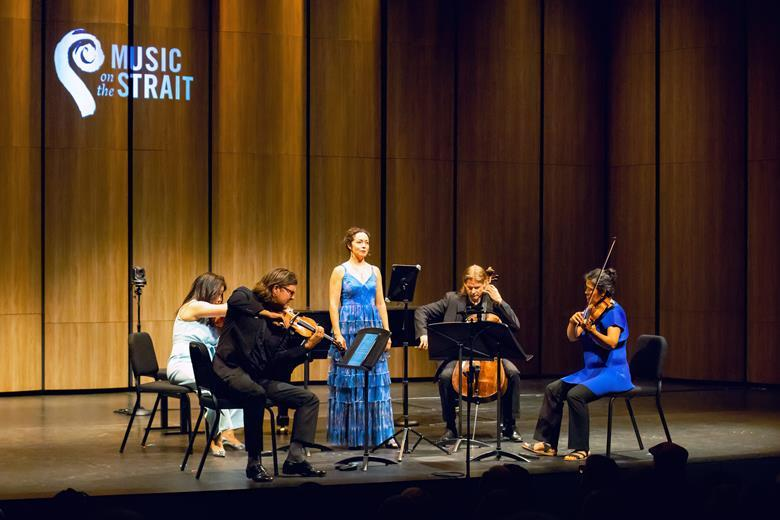
Mezzo-soprano Abigail Nims with James Garlick and Kristin Lee, violins; Maiya Papach, viola; Silver Ainomäe, cello – photo: Dewi Sprague
I ecently paid a visit to Port Angeles for the opening of Music on the Strait‘s 2026 Festival. My report for The Strad:
Music on the Strait (MOTS) has always been a festival shaped by string players. Founded in 2018 by violinist James Garlick and Takács Quartet violist Richard O’Neill – longtime friends both raised on Washington State’s Olympic Peninsula – MOTS brings chamber musicians from the international circuit to the Peninsula’s largest population centre, overlooking the Strait of Juan de Fuca towards Vancouver Island….
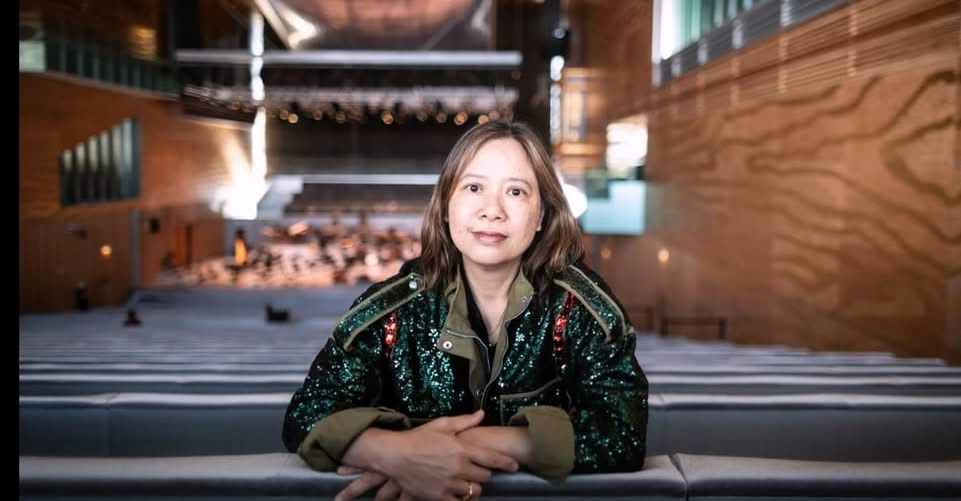
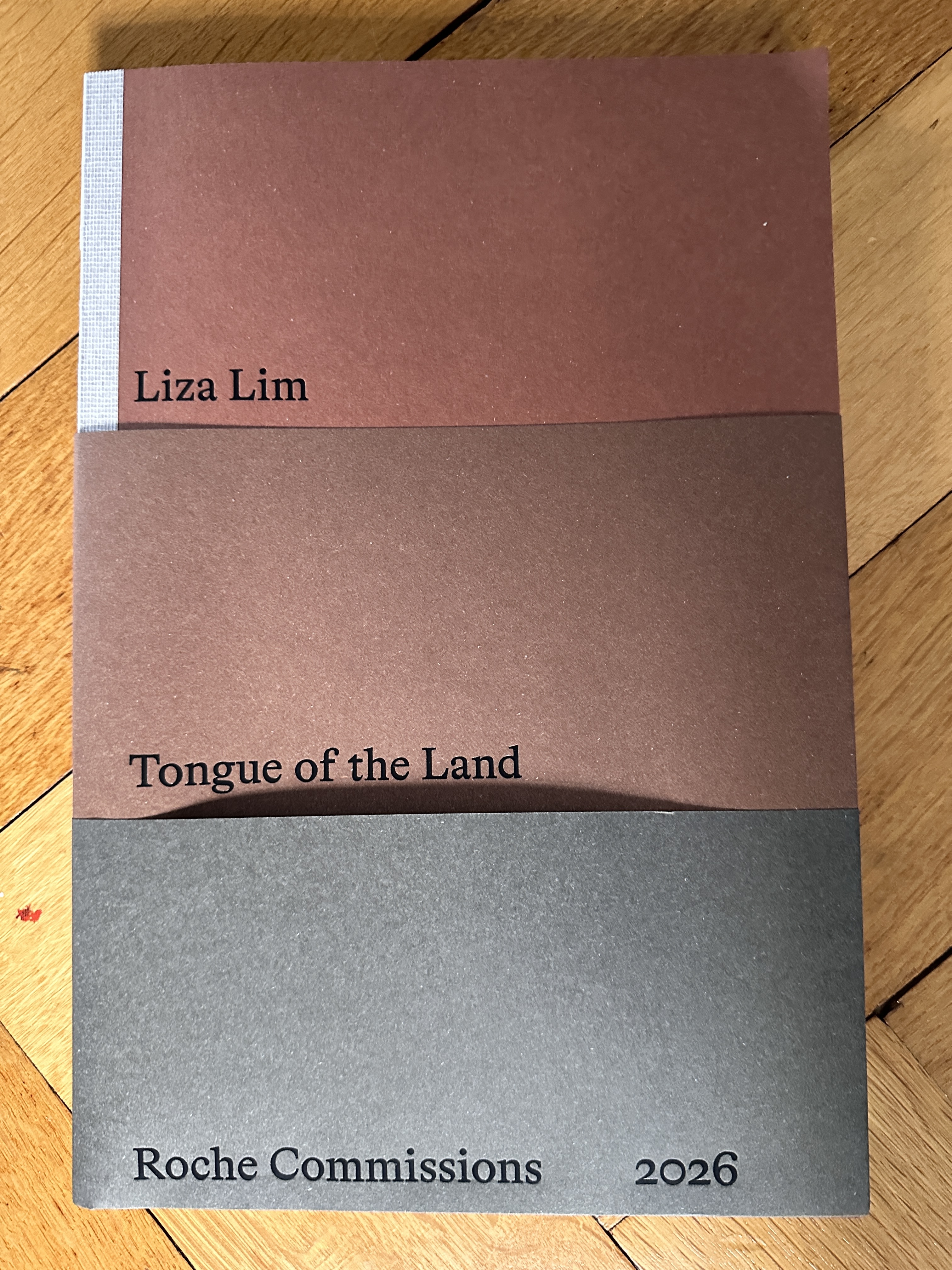
Happy birthday toLiza Lim – the day after an extraordinary world premiere at Lucerne Festival by the Lucerne Festival Contemporary Orchestra of her Roche Commissions composition Tongue of the Land. It’s a thrillingly original and powerful new work that brings a reconstructed 2,000-year-old Celtic bronze trumpet – aka the carnyx – into a modern orchestra. Lim wrote it for the trailblazing Dutch trumpeter Marco Blaauw as soloist.
Tonight – Sunday 30 August at 10pm–Midnight PDT (UTC−7) – Seattle-based composer, writer, and broadcaster Michael Schell will broadcast a new interview with Liza on Flotation Device on 91.3 KBCS, a long-running program devoted to contemporary, experimental, and improvised music. It will be available afterwards in podcast format at https://www.mixcloud.com/flotationdevice/
SRF 2 Kultur Swiss Radio has made last night’s complete Lucerne Festival concert available to listen to on demand here. The program also features Jörg Widmann as soloist in Mark Andre’s über for clarinet, orchestra, and live electronics, as well as John Adams’s Doctor Atomic Symphony. Peter Rundel’s conducting was superb – precise but passionate while navigating three entirely different sound worlds. Tongue of the Land comes at the beginning of the second half, starting just after 1:11:00. (A VPN is required to listen from outside Switzerland.)
I also had the privilege of editing the accompanying book published by Roche, which commissioned Tongue of the Land through the biennial Roche Commissions series. Brilliantly designed by award-winning designer Alexey Murashko, it traces Liza’s creative process and the remarkable journey of the carnyx into this new work. I’ll share a link as soon as it becomes available:
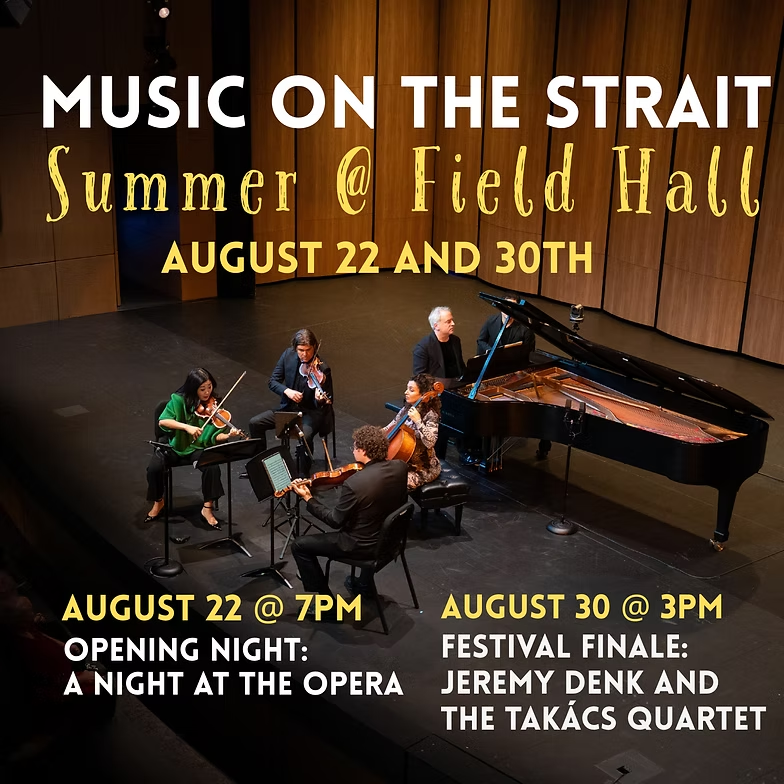
Music on the Strait, the Port Angeles-based chamber music festival that brings leading musicians from around the country to the Olympic Peninsula near the end of each summer, launches its 2026 season on Saturday, August 22, at the Field Arts & Events Hall in Port Angeles, located right on the waterfront.
The festival runs August 22–30, with a total of four concerts, two each at Field Arts & Events Hall and Maier Hall. This year’s roster includes mezzo-soprano Abigail Nims, flutist Demarre McGill, pianist Jeremy Denk, the Takács Quartet, and composer-in-residence Gabriela Lena Frank, alongside MOTS co-founder and artistic director and violinist James Garlick and other returning artists.
The opening night concert, “A Night at the Opera,” marks MOTS’s first venture into the operatic world. Nims joins violinists Kristin Lee and Garlick, violist Maiya Papach, cellist Silver Ainomäe, and pianist August Baik for an adventurous program featuring Respighi’s rarely performed Il Tramonto and the world premiere ofEl Mundo by Gabriela Lena Frank. Baik plays Frederic Rzewski’s Winnsboro Cotton Mill Blues, from Four North American Ballads, and the musicians will join together at the conclusion for Ernő Dohnányi’s Piano Quintet No. 1 in C minor.
The concert begins at 7:00pm PT on Saturday, August 22. Those attending in person can arrive early for Olympic Strings students at 5:45pm and a pre-concert talk by Lisa Bergman at 6:15pm Music on the Strait is also offering pay-what-makes-you-happy tickets starting at $5.
Come early for food, drink, and pre-concert programming in the Sunset Lounge
5:45pm – Olympic Strings students
6:15pm – Lisa Bergman pre-concert talk
7:00pm concert:
Ottorino Respighi | Il Tramonto for mezzo soprano and string quartet (1914) Frederic Rzewski | Winnsboro Cotton Mill Blues from Four North American Ballads for Piano (1979) Gabriela Lena Frank | El Mundo for mezzo soprano and string quartet (World Premiere) Erno Dohnanyi | Piano Quintet No 1 in C minor, Op 1 (1902)
Abigail Nims, mezzo-soprano Kristin Lee, violin James Garlick, violin Maiya Papach, viola Silver Ainomäe, cello August Baik, piano
Sunday afternoon, August 23, at 3:00pm, MOTS continues with a concert at Maier Hall featuring this progam:
Wolfgang Amadeus Mozart | Flute Quartet in D Major, K 285 (1777) Ernest Bloch | Violin Sonata No.2, B.58 “Poeme Mystique” (1924) Antonin Dvořák | Viola Quintet in F major, Op 97 “American” (1893)
The Maier Hall performance is now sold out, but there is a wait list here.
The second weekend (August 29-30) features a sold-out special evening with the Takács Quartet at Maier Hall on Saturday August 29 at 7:00pm:
Ludwig Van Beethoven | String Quartet in B-flat, Op 18 No 6 (1801) Felix Mendelssohn | String Quartet in F minor, Op 80 (1847) Franz Schubert | String Quartet No. 14 in D Minor, D.810, “Death and the Maiden” (1824)
The festival finale takes place at Field Arts & Events Hall on Sunday August 30 at 3:00pm and features special guest Jeremy Denk joining the TakácsQuartet
Gabriela Lena Frank | Quijotadas (2007)* Ludwig Van Beethoven | Piano Sonata in D minor, Op 31 No 2 “The Tempest” (1802) César Franck | Piano Quintet in F minor (1879)
Details, tickets, and the free livestream are available through Music on the Strait.
Here’s the fifth of my individual reviews of the 2026 Santa Fe Opera season, covering all five productions this year:
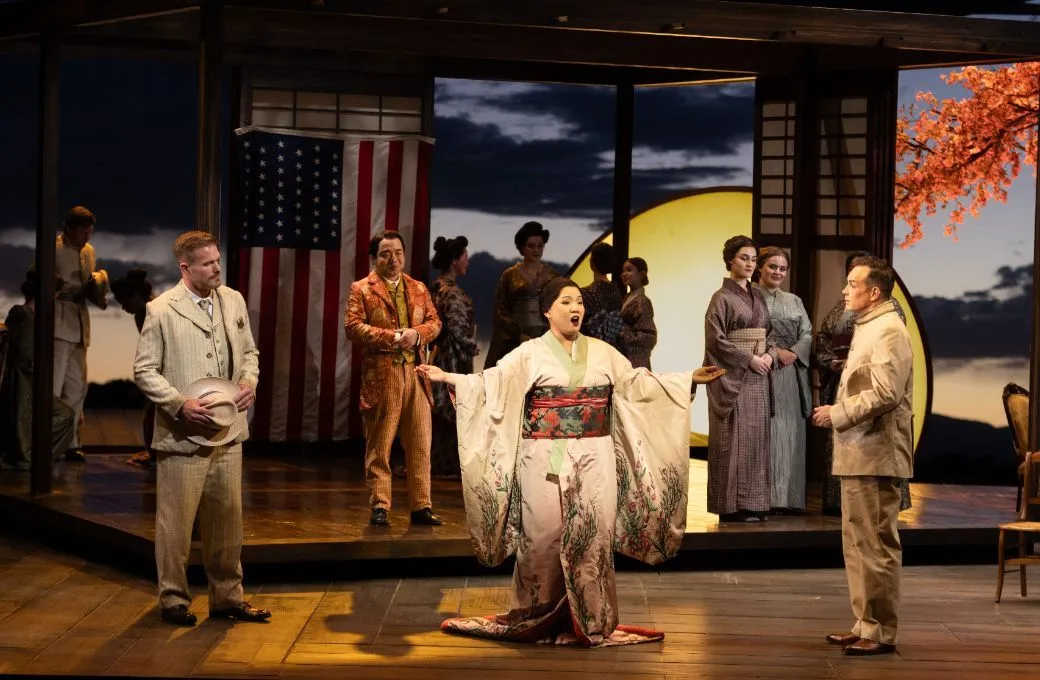
Madama Butterfly did not spring fully formed into the world as the repertory staple we know today. Bachtrack’s 2024 statistics ranked it the third most performed opera, yet Puccini’s convoluted revision history means that even this most familiar of works survives in markedly different forms. Musical and dramatic details, character relationships and even aspects of Cio-Cio-San herself changed across those revisions, until the 1907 Paris version emerged as the standard…
Lucia Lucas (Lili Elbe), The Santa Fe Opera Chorus, by Bronwen Sharp for the Santa Fe Opera
My review of Tobias Picker’s Lili Elbe, which is receiving its American premiere this summer at Santa Fe Opera, is now up at Musical America Worldwide. Picker’s opera, with a libretto by Aryeh Lev Stollman, tells the story of the Danish painter Lili Elbe, one of the first people known to have undergone gender-affirming surgery, while placing her relationship with the artist Gerda Wegener at the heart of the drama.
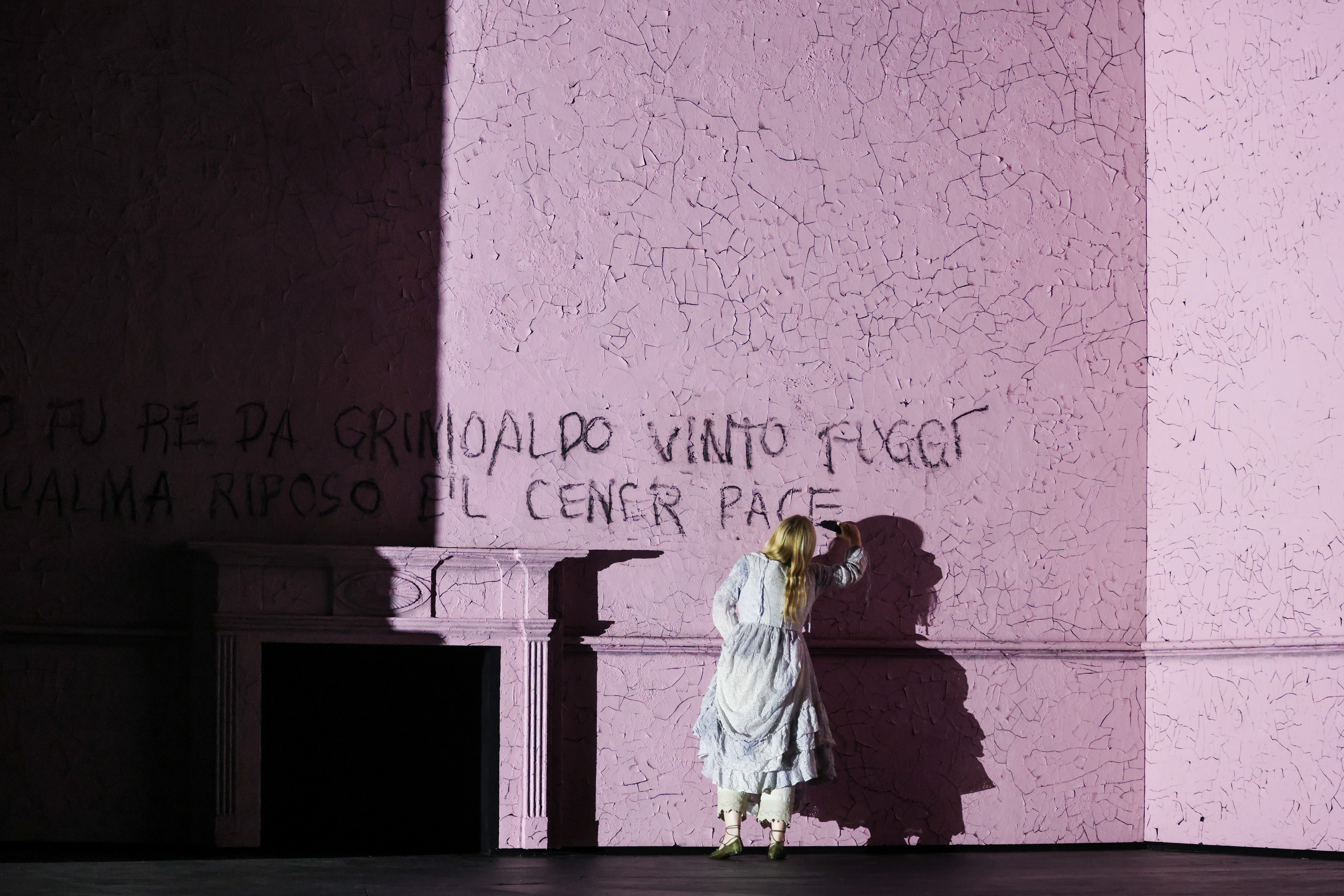
Rodelinda at Santa Fe Opera (Photo: Bronwen Sharp)
Another highlight of my week at Santa Fe Opera: the R.B. Schlather production of Handel’s Rodelinda, featuring a fantastic cast and led brilliantly by Harry Bicket. My review for Opera Now:
R.B. Schlather’s first-rate Santa Fe Opera production of Handel’s Rodelinda makes the opera’s imposing succession of da capo arias feel anything but static. The political ground keeps moving beneath the characters, while Rodelinda’s devotion to Bertarido remains fixed –Fidelio is just around the corner. Schlather treats the arias as windows into each character’s private world, filling them with telling gestures and reactions while simultaneously often keeping other characters active.


 Details and tickets