MEMETERIA by Thomas May

Music & the Arts

Ancient Roman Mansion Unearthed

Fascinated by the discovery reported by Archaeology News of an ancient domus that likely belonged to a senatorial family. The former luxury mansion, located between Palatine Hill and the Roman Forum, contains a “rustic” or “rural” mosaic preserved in astonishingly good condition:

“Dating to the last decades of the second century BC, the mosaic is made from sea shells, Egyptian blue tesserae, precious glass, tiny fragments of marble and other colored stones.”One of the most striking features of the domus is an extraordinary mosaic wall covering referred to as “rustic,” dating back to the last decades of the 2nd century BCE. Composed of sea shells, Egyptian blue tesserae, precious glass, marble fragments, and other colored stones, this mosaic depicts intricate scenes of naval warfare and conflict. The representation includes weaponry, trumpets, and ship prows adorned with tridents and rudders, symbolizing triumphs both on land and at sea.”

more

Filed under: archeology, architecture, classical art, cultural news
Underworld: Imagining the Afterlife

Underworld

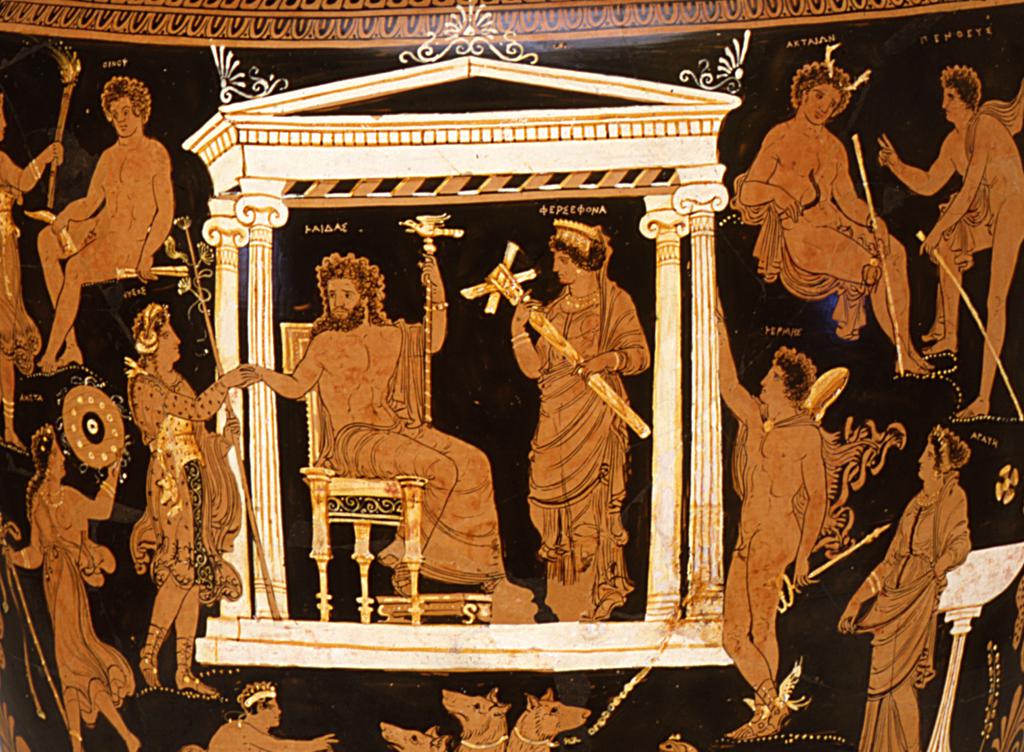
Funerary Vessel with Dionysos in the Underworld (detail), South Italian, made in Apulia, 350–325 BC, terracotta. Red-figure volute krater attributed to the Darius Painter. Toledo Museum of Art. Gift of Edward Drummond Libbey, Florence Scott Libbey, and the Egypt Exploration Society, by exchange, 1994.19

Brilliant exhibition at the Getty Villa: Underworld: Imagining the Afterlife

The Underworld was a shadowy prospect for most ancient Greeks, characterized primarily by the absence of life’s pleasures. Perpetual torment awaited only the most exceptional sinners, while just a select few—heroes related to the Olympian gods—enjoyed an eternal paradise. Yet as this exhibition explores, individuals did seek ways to secure a blessed afterlife. Initiation in the Eleusinian Mysteries, an annual festival in Greece, promised good fortune in both this world and the next. Outside of mainstream religious practice, devotion to the mythical singer Orpheus and the god Dionysos also offered paths to achieving a better lot after death.

Some of the richest evidence for ancient beliefs about the afterlife comes from southern Italy, particularly indigenous sites in Apulia and the Greek settlement of Taras (present-day Taranto). Monumental funerary vessels are painted with elaborate depictions of Hades’s realm, and rare gold plaques that were buried with the dead bear directions for where to go in the Underworld. These works, alongside funerary offerings, grave monuments, and representations of everlasting banquets, convey some of the ways in which the hereafter was imagined in the fifth and fourth centuries BCE.

Filed under: art exhibition, classical art, Getty Villa

Lacrimae Rerum

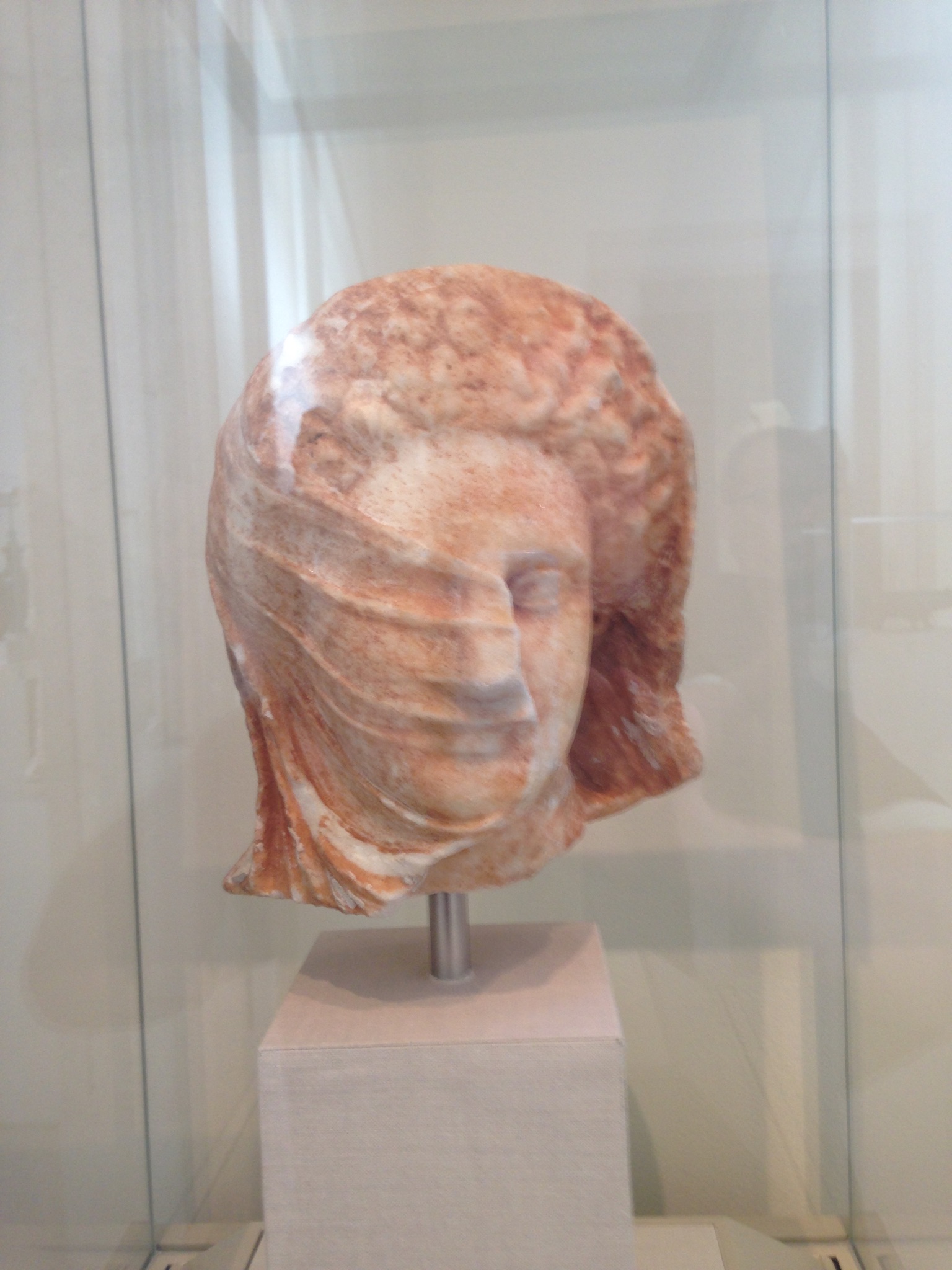
veiled

Yet however much we may like
The stoic manner in which
The classical authors wrote,
Only the young and the rich
Have the nerve or the figure to strike
The lacrimae rerum note.

–from A Walk After Dark, W.H. Auden

Filed under: classical art, photography, poetry

Archive

Enter your email address to follow this blog and receive notifications of new posts by email.