

To prepare for a new essay, I spent some of last week immersed in Ralph Vaughan Williams’s breakthrough composition from 1910, A Sea Symphony – also known as the First Symphony (though he didn’t get around personally to numbering the first three of his nine symphonies).
While it has its weak moments, I wish this work were performed more often, but it’s never really caught on with American audiences, and the score poses a huge challenge for the chorus. By a remarkable coincidence, A Sea Symphony premiered exactly one month after Mahler’s Eighth (that incredible amalgam of medieval Church hymn and the final scene of Faust). Both works represent unclassifiable hybrids of cantata, symphony, and oratorio, taking the “model” of Beethoven’s Ninth to new extremes. And five years before that, Debussy’s La mer was first performed in Paris. (There was also a growing body of sea-oriented compositions by Vaughan Williams’s compatriots.)
For Vaughan Williams, though, the real impetus wasn’t to somehow paint the sea in orchestral-choral terms but, instead, to give shape to the oracular insights he’d gleaned from his immersive reading of Walt Whitman. He chose texts from Leaves of Grass that use the sea to figure the human soul’s yearning for “restless explorations” and the like:
O vast Rondure, swimming in space,
Covered all over with visible power and beauty,
Alternate light and day and the teeming spiritual darkness,
Unspeakable high processions of sun and moon and countless stars above,
Below, the manifold grass and waters,
With inscrutable purpose, some hidden prophetic intention,
Now first it seems my thought begins to span thee.
(Talking about our favorite VW symphonies, my friend Q said, “I think I often want Sibelius to be more pastoral, and Vaughan Williams less so, in the matter of symphonies.”)
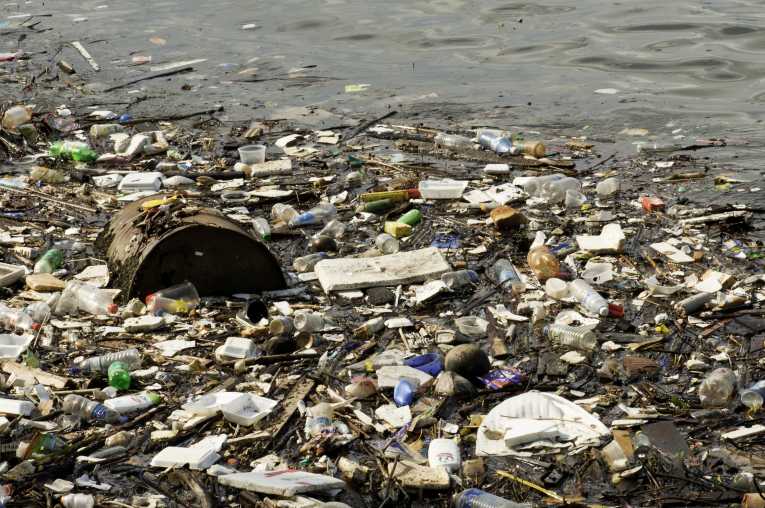
What would a composer who was setting out today to write an ambitious work inspired by the metaphorical possibilities of the sea come up with, I wonder? Would it even be possible not to take account of the dire state of the oceans? There’s no escaping it, from the ongoing radioactive leakage at Fukushima to this recent study by Australian scientists concluding that “humans have put so much plastic into our planet’s oceans that even if everyone in the world stopped putting garbage in the ocean today, giant garbage patches would continue to grow for hundreds of years.”
Filed under: environment, nature, poetry, symphonies

 MEMETERIA by Thomas May