How many pianists does it take to play Philip Glass’ etudes? In Los Angeles, it took Lara Downes, Anton Batagov, Timo Andres, Jenny Lin, and Maki Namekawa. (Photos by Halline Overby for the Los Angeles Philharmonic)
An unforgettable evening this week spent with the Complete Etudes of Philip Glass, presented by Pomegranate Arts at Walt Disney Concert Hall as part of the Los Angeles Phiharmonic Green Umbrella series:
LOS ANGELES — The tradition of etudes for solo piano, by definition and connotation, evokes a single performer embarked on a Gradus ad Parnassum, a lonely and sometimes Sisyphean pilgrimage toward elusive perfection.
If you’re in New York City this week, here’s a can’t-miss event: One of the major shapers of the contemporary music scene as we know it in America is the still-too-little known Chinese American composer, teacher and scholar CHOU Wen-chong. Miller Theatre will present a special concert on 21 March by Continuum Ensemble to honor his centennial. He was actually born in 1923, but events have been scheduled throughout the 2023-24 season to celebrate his legacy.
Chou moved to the US in his 20s to study and became an important figure in the American avant-garde musical scene. He spent much of his career pioneering a new synthesis of classical Chinese aesthetics with a Western contemporary sensibility. As a charismatic teacher based at Columbia, he was responsible for bringing the big players of the next generation over from China at the end of Mao’s Cultural Revolution to the US — composers including Tan Dun, Chen Yi, Bright Sheng and Zhou Long — and has been dubbed (by Tan Dun) “the godfather of Chinese contemporary music.”
The Miller Theatre concert will be led by Joel Sachs, a longstanding figure at Juilliard who retired from his post there last year. This event will consider Chou’s legacy in cultural interchange and blending Eastern and Western styles — how he helped pave the way toward a more-inclusive aesthetic in today’s classical sphere.
“To describe the beauties of this region will, on some future occasion, be a very grateful task to the pen of a skillful panegyrist,” reported Captain George Vancouver in 1792. Vancouver led the first European expedition to chart Puget Sound—as he dubbed what would become the US portion of the larger Salish Sea long inhabited by the Coast Salish indigenous peoples. Many of the British place names conferred by Vancouver have endured, but the area’s best-known city, Seattle, founded by white settlers in 1851, stands apart as being named after an indigenous leader, Chief Seattle (using the Anglicized version of his actual Lushootseed name, Siʔaɬ)…
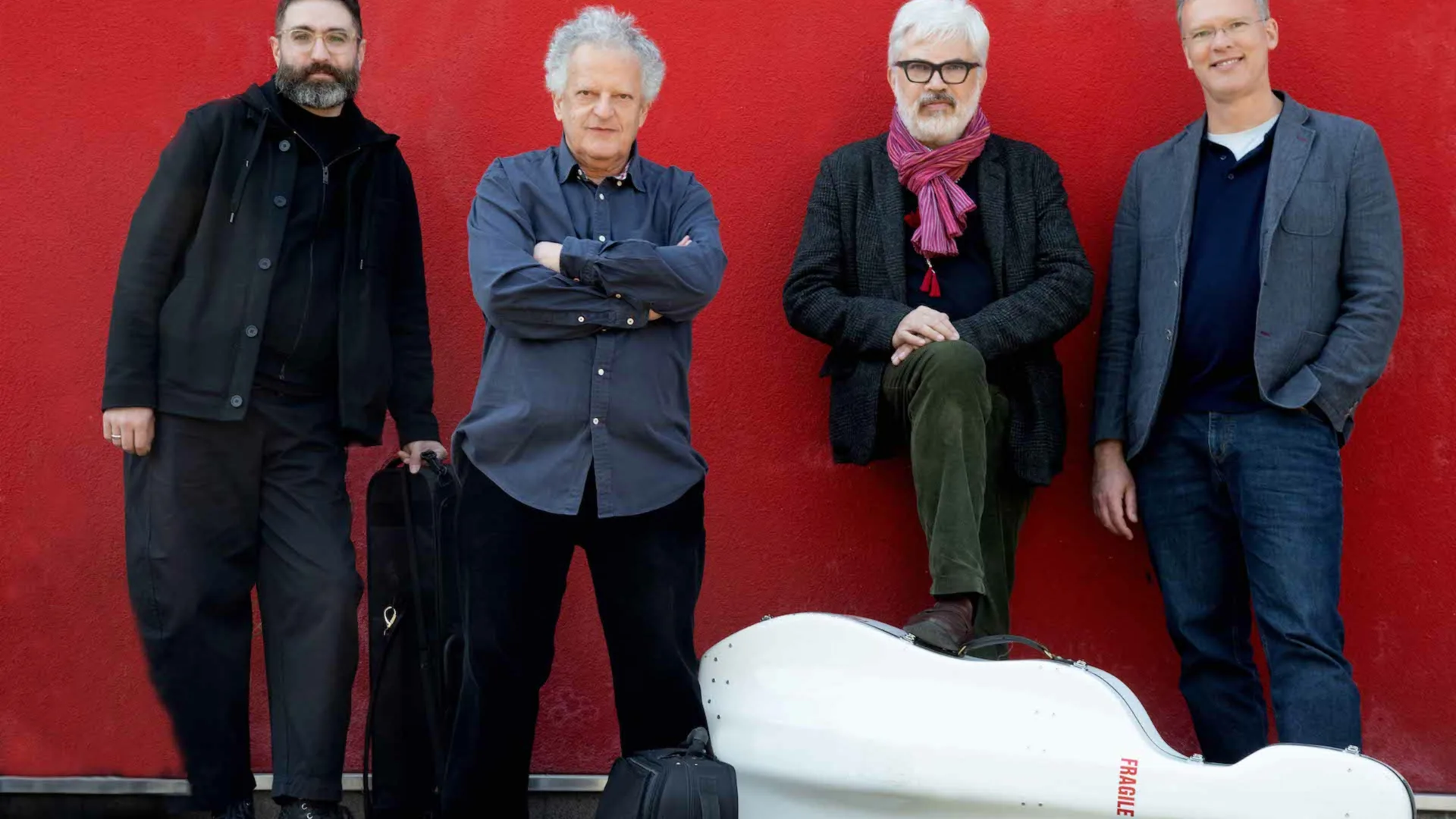
Thursday marks the 50th anniversary to the day that Irvine Arditti and his colleagues gave their first concert. The Arditti Quartet would go on to become one of the leading advocates for new chamber music — from Ligeti, Xenakis, and Stockhausen (including the HelicopterQuartet) to their latest commissions from Toshio Hosokawa and Cathy Milliken.
Jonathan Harvey (1939–2012) String Quartet No. 1 (1977)
Cathy Milliken In Speak for String Quartet (2023) world premiere Toshio Hosokawa (*1955) Oreksis for Piano Quintet (2023) world premiere Intermission Harrison Birtwistle (1934–2022) The Tree of Strings for String Quartet (2007)
Seattle Chamber Orchestra, led by Lorenzo Marasso, presents the remarkable organist Wayne Marshall in recital on Saturday evening, 2 March, at 8pm at Plymouth Church in Seattle.
Among the organ works that Marshall will perform is Passion Symphony by Marcel Dupré, which began as an improvised performance in 1921 that was later notated and published. Marshall will play the Plymouth Church’s Fisk organ.
Admission includes a pre-concert talk and the performance, accompanied by drinks and appetizers.
From Seattle Chamber Orchestra’s commentary on the program:
“During his 1921 Christmas tour in the United States, Marcel Dupré engaged the audience at the renowned Grand Court Organ within Philadelphia’s John Wanamaker Department Store by improvising on four suggested melodies. These included two Christmas tunes (“Jesu redemptor omnium” and the well-known hymn “Adeste fideles” or “O Come All Ye Faithful”) as well as two Easter chants (“Stabat mater dolorosa” and “Adoro te devote”). Three years later, Dupré transcribed and published these improvisations as Symphonie-Passion, Op. 23. The symphony’s four movements serve as a musical narrative of Christ’s life, with the following titles: 1) “Le Monde Dans L’Attente Du Saveur” (The World Awaiting the Savior); 2) “Nativité” (Nativity); 3) “Crucifixion”; and 4) “Résurrection” (Resurrection). Dupré’s improvisational style showcases hypnotic effects through the use of ostinatos. The first movement features repetitive chord patterns alternating between groups of five and seven. In contrast, the second movement explores melodic contours, gradually revealing a familiar melody in a solemn manner towards the end. The third movement incorporates a prominent and weighty pedal part, culminating in the emergence of the sorrowful “Stabat mater dolorosa.” The final movement bursts into a joyous and cacophonous resurrection, employing a traditional French organ toccata of that era, characterized by rapid intricate hand movements over a resounding slow melody played with the pedals.
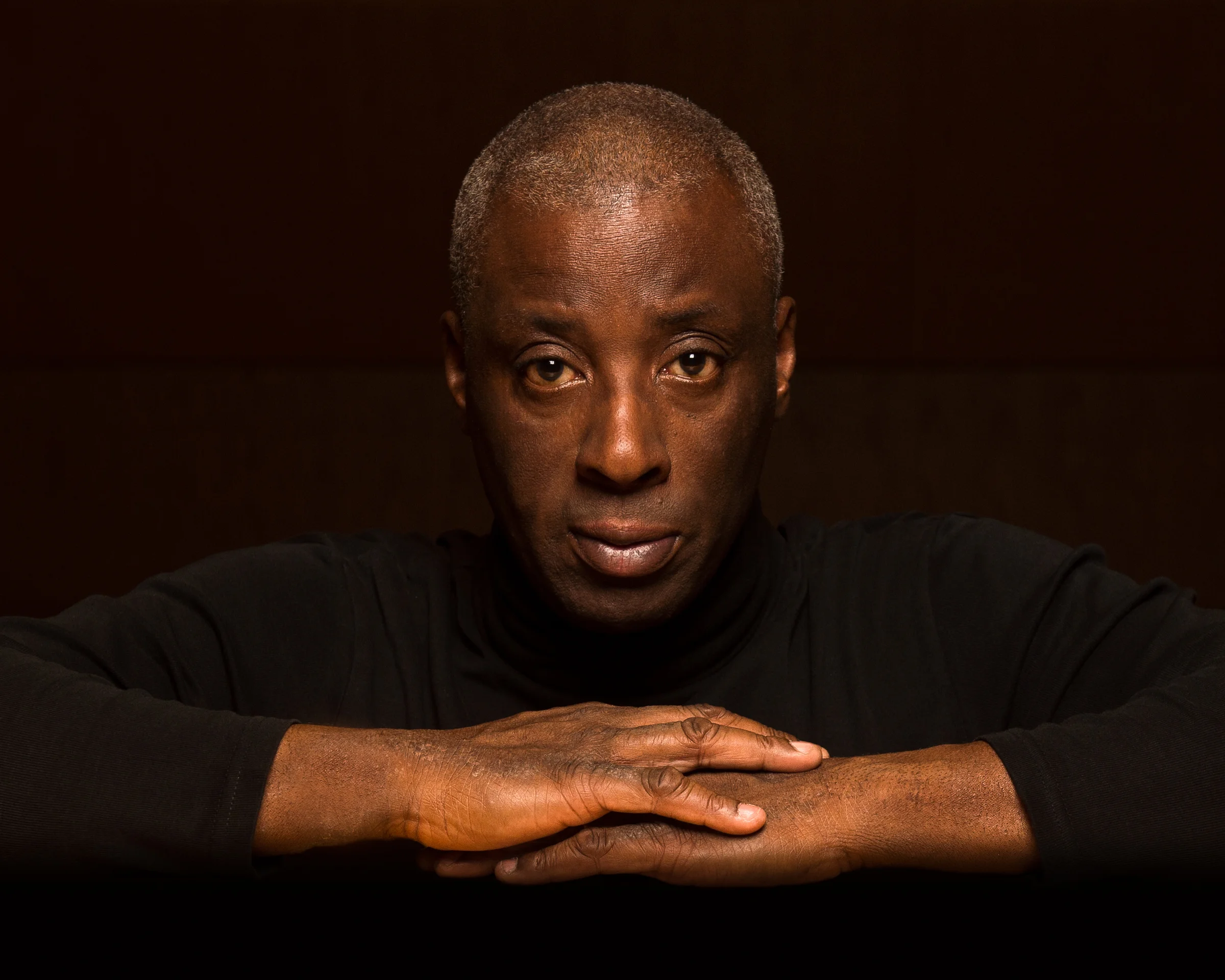
British conductor, organist and pianist Wayne MARSHALL is world-renowned for his musicianship and versatility on the podium and at the keyboard. He served as Chief Conductor of WDR Funkhaus Orchestra Cologne 2014-2020, became Principal Guest Conductor of Orchestra Sinfonica di Milano Giuseppe Verdi in 2007 and is a celebrated interpreter of Gershwin, Bernstein and other 20th century composers. Recent conducting highlights include his critically-acclaimed debut with the Berliner Philharmoniker, a widely-praised new production Porgy and Bess at Theater an der Wien, a concert version of Gershwin’s Porgy and Bess with the Prague Radio Philharmonic and UK touring with Chineke! and BBC Singers. As organ recitalist, he has an exceptionally varied repertoire and performs worldwide to an audience of millions. He gave a spectacular online recital at the Elbphilharmonie in Hamburg in the 19/20 season and future plans include returns to Philharmonie de Paris and Royal Albert Hall. Throughout 2018 he played a key role in leading the Leonard Bernstein centenary celebrations including Bernstein’s Mass with Orchestre de Paris at the Philharmonie de Paris. He also made his debut with Zurich Philharmonie in an all-Bernstein program and conducted the rarely-performed White House Cantata in Utrecht with the Netherlands Radio Philharmonic Orchestra. He conducted the first performance of the highly-acclaimed Orchestra Chineke! at the Queen Elizabeth Hall in London. Recent notable organ recitals in the 19/20 season included Walt Disney Concert Hall in Los Angeles; Kimmel Centre in Philadelphia and Symphony Hall in Birmingham. He is a regular performer at the BBC Proms and appeared in the 2012 season as organist and was co-presenter of the Barenboim Prom in 2014. Wayne was honored with an OBE (Order of the British Empire) in 2021. In 2004 he received an Honorary Doctorate from Bournemouth University and became Fellow of the Royal College of Music in 2010. Since its inception Mr. Marshall has also joined the Board of Directors of the Seattle Chamber Orchestra.”
My latest for Seattle Times:, on Conrad Tao’s upcoming Playlist concert with Seattle Symphony:
For Conrad Tao, playing Mozart is like a homecoming.
“The close relationship I have to Mozart is from childhood,” he said during a recent Zoom interview from his home in New York City. “It’s not only a return. Some of it is just a matter of being honest about where I come from.”
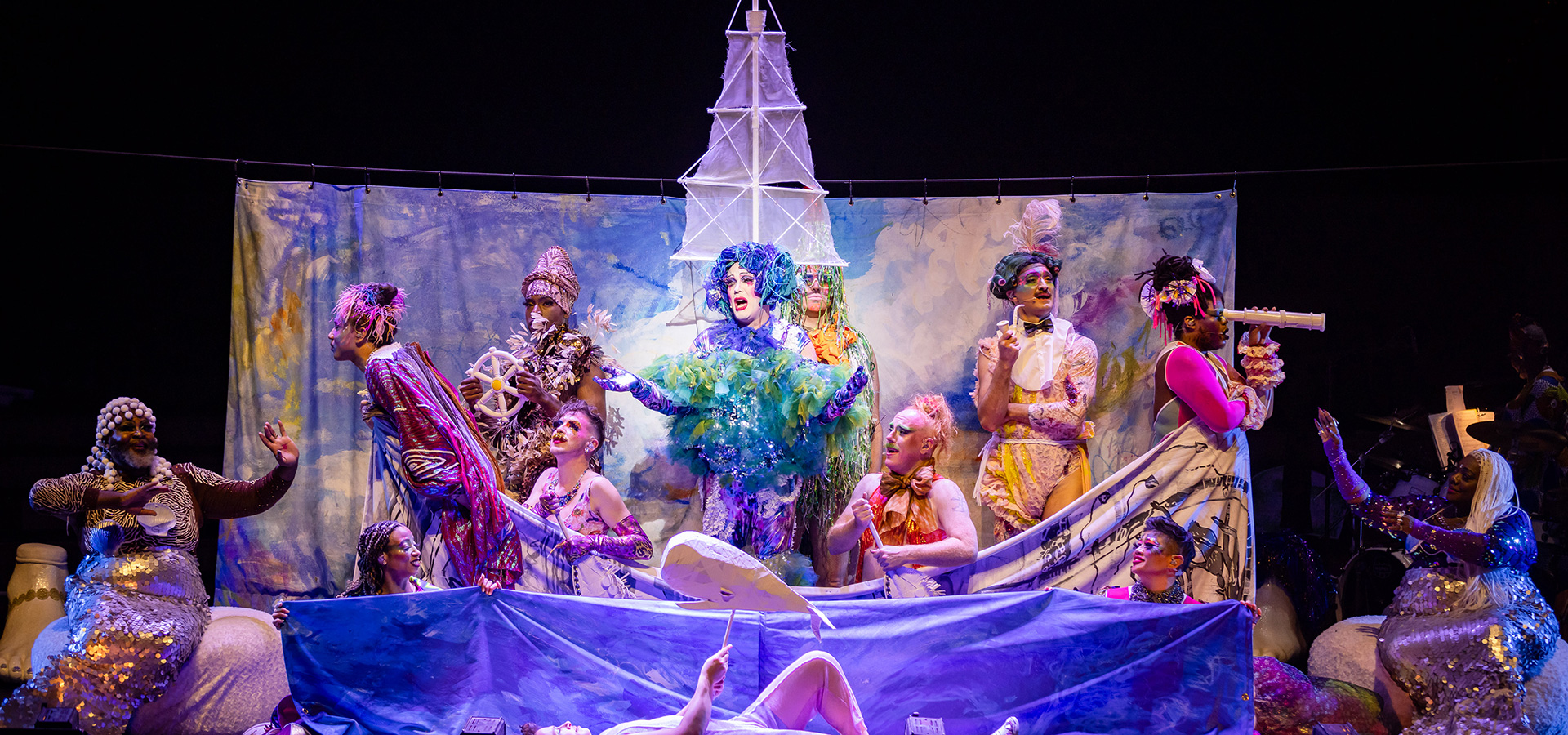
My essay on Taylor Mac and Matt Ray’s latest epic, Bark of Millions, for Cal Performances:
“All we do is sing songs,” says Taylor Mac about Bark of Millions, the new show he and composer Matt Ray have created together with their team of like-minded collaborators. “But there’s something about the ritual of song after song after song inspired by different queer people from world history that is really liberating” …
Randall Goosby, Christian Reif and the Seattle Symphony; photo (c)Brandon Patoc
While the search for a permanent music director continues, versatility has been in high demand at Seattle Symphony in recent seasons. Week after week, the musicians have had to adjust to the remarkably varied styles of a revolving door of guest conductors. But the latest visitor to the podium, the German conductor Christian Reif, brought the added challenge of a program calling for drastic shifts in style from one work to the next ….
Sound Salon (the series formerly known as Byron Schenkman & Friends) has a lovely program coming up Sunday evening: English Baroque love songs for voice, oboe, viol, and harpsichord. Sweeter than Roses (the title of the program, taken from a Henry Purcell song), presents soprano Grace Srinivasan, oboist Curtis Foster, Adaiha MacAdam-Somer on viol, and artistic director Byron Schenkman on harpsichord in music not only by Purcell and Handel but by such less-familiar figures as Elisabetta de Gambarini, John Stanley, and William Babell (all associated with Handel’s work), as well as by Thomas Arne and Ignatius Sancho, who escaped enslavement and became “a successful businessman, published author and composer, and champion for the abolition of slavery,” as Schenkman notes.





 MEMETERIA by Thomas May