By the end of last night’s concert with Jonathon Heyward guest conducting the Seattle Symphony, I couldn’t help thinking of John Lennon’s wry understatement after a famous rooftop performance: “I hope we passed the audition!”
Could this really have only been Jonathon Heyward’s first engagement leading the Seattle band? The chemistry between them produced such subtle and winning results that it defies belief they haven’t been regular collaborators for years.
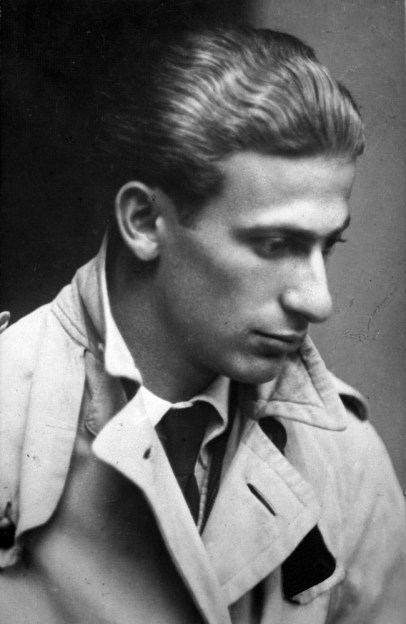
Even more, Heyward demonstrated a level of confidence and musical intelligence that belied his youth. The 26-year-old, who comes from Charleston, South Carolina, studied cello before turning to conducting in his teens and is currently finishing up a three-year residency as assistant conductor of The Hallé in Manchester. He was recently named Chief Conductor of Germany’s Nordwestdeutsche Philharmonie, where his tenure will begin in 2021. But word has already gotten out — no wonder this amazing talent is so highly sought after.
The program drew on multiple facets of Heyward’s strengths. He opened with a gripping introduction to the music of Hannah Kendall — another name you’ll want to remember, as she is deservedly gaining international recognition.** This marked the U.S. premiere of The Spark Catchers, a 10-minute piece that was first heard on a BBC Proms concert in 2017.
Born in London to first-generation immigrants from Guyana, Kendall has been making a name with some intriguing collaborative projects, such as her chamber opera The Knife of Dawn (2016), which pays homage to the real-life story of the Guyanese poet and political activist Martin Carter, received much acclaim.
Her sensitivity to poetic texts and dramatic flair are likewise evident in the purely orchestral The Spark Catchers, Kendall’s response to the poem of the same title by the British writer Lemn Sissay. The poem pays tribute to the women and adolescent girl workers who went on strike in 1888 to protest inhumane working conditions in a matchmaking factory in London’s East End.
Kendall’s score is wrought with great skill, making effective use of suspenseful pauses. Sections of menacingly coiled rhythms erupt with volatile energy, framing a central oasis that seems to float free, cheating time. Where many young composers are content to merely establish a vague atmosphere through evocative use of timbre, Kendall develops her ideas with rigor and imagination. Heyward intensified the score’s dramatic qualities and well-placed contrasts.
The young conductor took on a very different set of challenges with Haydn’s Symphony No. 98 in B-flat major — one of the set of 12 “London” symphonies, which Haydn introduced in 1792, near the end of the first of his two trips to the capital (just a few months after his friend Mozart’s death). Here, the orchestra shrank down to late classical size (I’m guessing Heyward positioned the strings according to the practice typically used with The Hallé, though I have not confirmed that.)
Heyward delighted the audience with his obvious sympathy for this composer’s humor but also for his impeccable logic. Ensemble passaged sparkled with wit and elan. Highlights were an especially affecting Adagio as well as the games of timing and syncopation in the brilliant finale.
The program’s second half shifted gears still again, with a downright thrilling, superbly shaped account of Gustav Holst’s The Planets. Here was still an entirely different conception of the orchestra — the players cramming the Benaroya stage to meet the gargantuan demands of Holst’s score. Yet across all of the evening’s varying styles, Heyward showed an instinctive feeling for how to clarify musical architecture, always keeping the big picture in view. He inspired the orchestra to create vivid, fully dimensional sound worlds for each of Holst’s portraits, gently acknowledging the full auditorium’s insistent applause between them.
At the same time, Heyward tirelessly shaped the sound, encouraging subtle refinements and using expressive gestures to blend and adjust the mix. He understood that Holst’s dazzling score isn’t just about the brassy climaxes — wonderfully prepared for here — but also homed in on its varieties of mystery and awe. The latter became genuinely unworldly in the final “Neptune” section, as the female voices of the Seattle Symphony Chorale seeped in unseen.
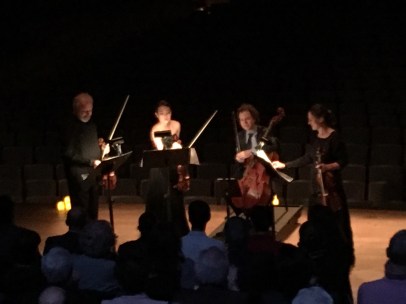
**On Monday night at 7.30pm, Hannah Kendall will be on hand with SSO musicians to present some of her chamber works at Octave 9.
–review (c) 2019 Thomas May
Filed under: conductors, Haydn, new music, review, Seattle Symphony