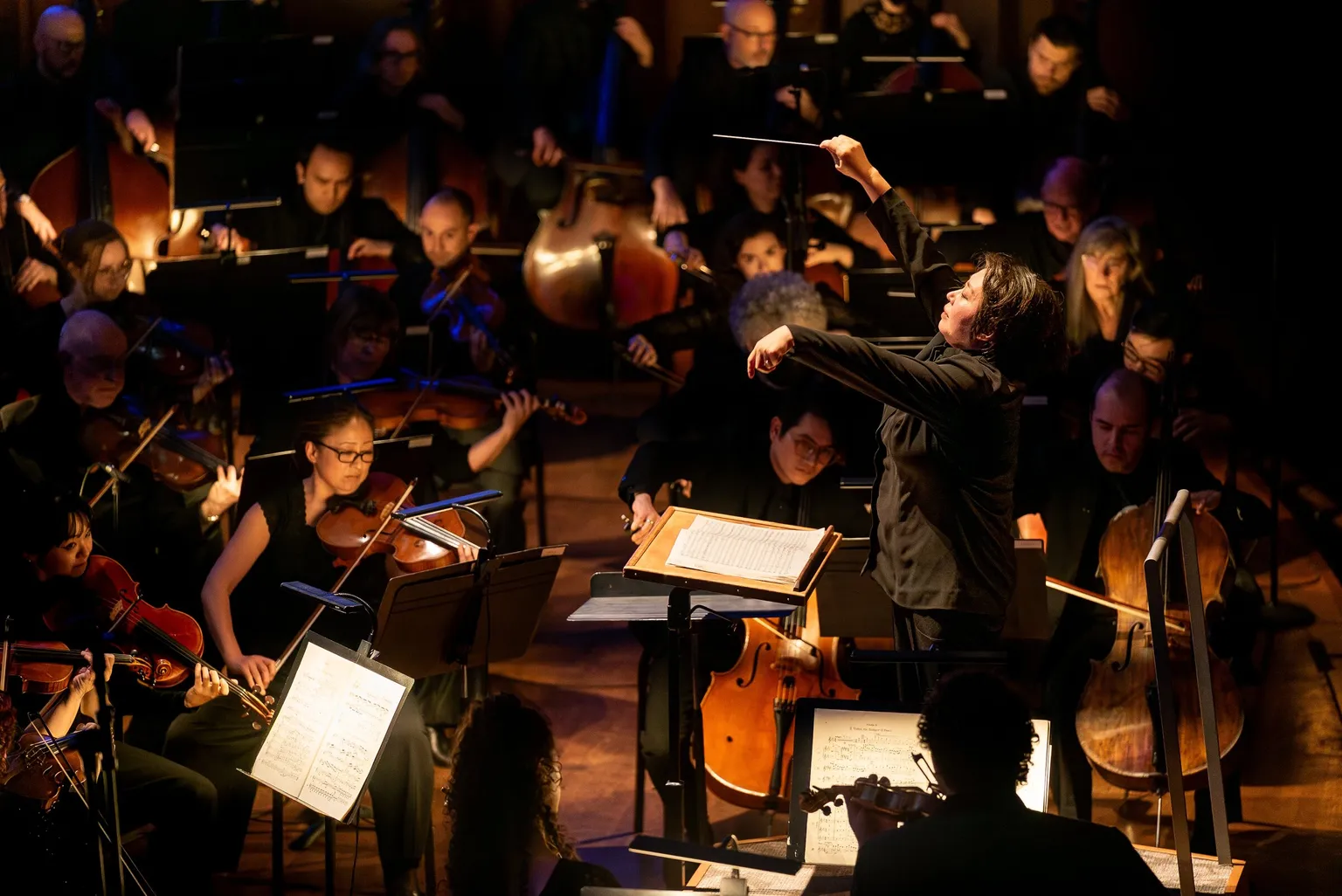
Xian Zhang, Seattle Symphony music director designate, conducts the Symphony in its “Holst: The Planets” program March 27. (James Holt / Seattle Symphony)
I reviewed Xian Zhang’s first concert with Seattle Symphony since being named music director designate :
With just a few gestures, Xian Zhang began conjuring a cosmos.
Returning to Benaroya Hall for her first full program since being named Seattle Symphony’s incoming music director, Zhang drew the nearly sold-out concert hall Thursday night into her orbit with her focused, magnetic conducting.
James Ehnes; photo courtesy Seattle Chamber Music Society
Along with my feature on Abel Selaocoe in Strings, my other cover story this month is a profile of the fabulous violinist and music director James Ehnes for The Strad:
Over a weekend in early December 2024, James Ehnes was in Seattle to perform all ten violin sonatas of Beethoven, partnering with pianist Orion Weiss. Presented in two concerts, each met with rapt attention, the performances were part of a new initiative of Seattle Chamber Music Society (SCMS) to engage audiences during the long interval between its flagship summer festival and the winter festival starting in late January.
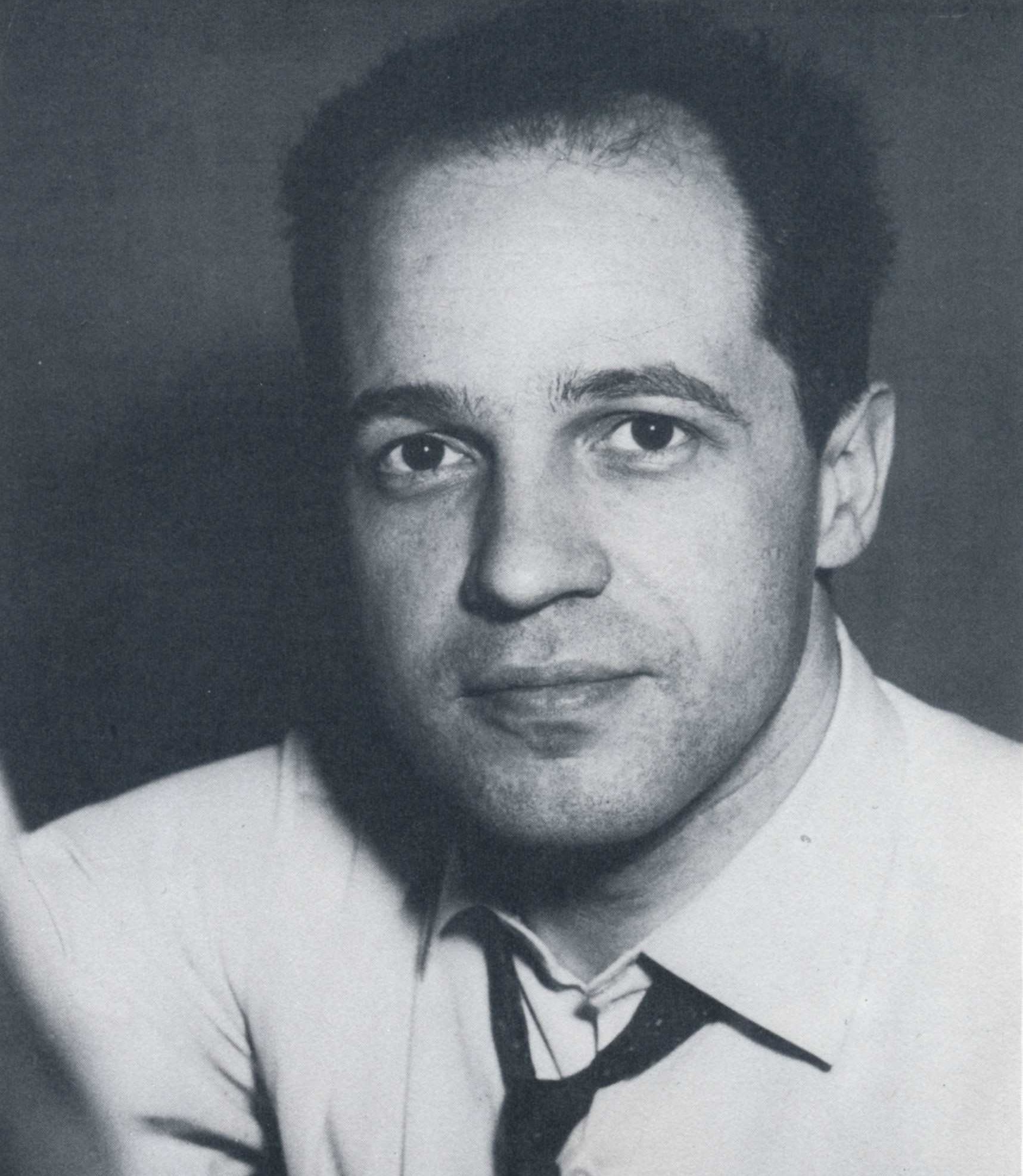
Here is my essay on the JACK Quartet’s 20 March program at the Boulez-Saal in Berlin in honor of the Pierre Boulez centenary.
When they initially met as participants in the Lucerne Festival Academy, the members of the JACK Quartet forged a connection with Pierre Boulez, the Academy’s founder, that left a lasting impression. Tonight’s program pays homage to their mentor by juxtaposing excerpts from his landmark Livre pour quatuor with works that resonate with the excitement and idealism that the young Boulez channeled into this radical reimagining of the string quartet.
“I am a religious Russian Orthodox person and I understand ‘religion’ in the literal meaning of the word, as ‘re-ligio’, that is to say the restoration of connections, the restoration of the ‘legato’ of life. There is no more serious task for music than this.” – Sofia Gubaidulina
The great Sofia Gubaidulina has died at the age of 93. She passed away on 13 March at her home in Appen, Germany.
From her publisher, Boosey & Hawkes: “Sofia Gubaidulina, the grande dame of new music, has passed away on 13 March 2025, aged 93, at her home in Appen, near Hamburg in Germany. She was considered the most important Russian composer of the present day and a person who drew inspiration from a deep faith. Her interest in the world, in people and in the spiritual touched everyone who met and worked with her. In her work, she always focussed on the elementary, on human existence and the transformative power of music.
She is like a ‘flying hermit’, said conductor Simon Rattle, because she is always “in orbit and only occasionally visits terra firma. Now and then she comes to us on the earth and brings us light and then goes back into her orbit.” Conductor Andris Nelsons has noted that “Sofia Gubaidulina’s music – its intellect and its profound spirituality – is deeply touching. It really gets under your skin”.
According to NPR: “In a 2017 interview with the BBVA Foundation, Gubaidulina talked about the power of music in sweeping terms. ‘The art of music is consistent with the task of expanding the higher dimension of our lives,’ she said. A deeply religious artist, she once described her writing process as speaking with God.” She also said: “The art of music is capable of touching and approaching mysteries and laws existing in the cosmos and in the world.”
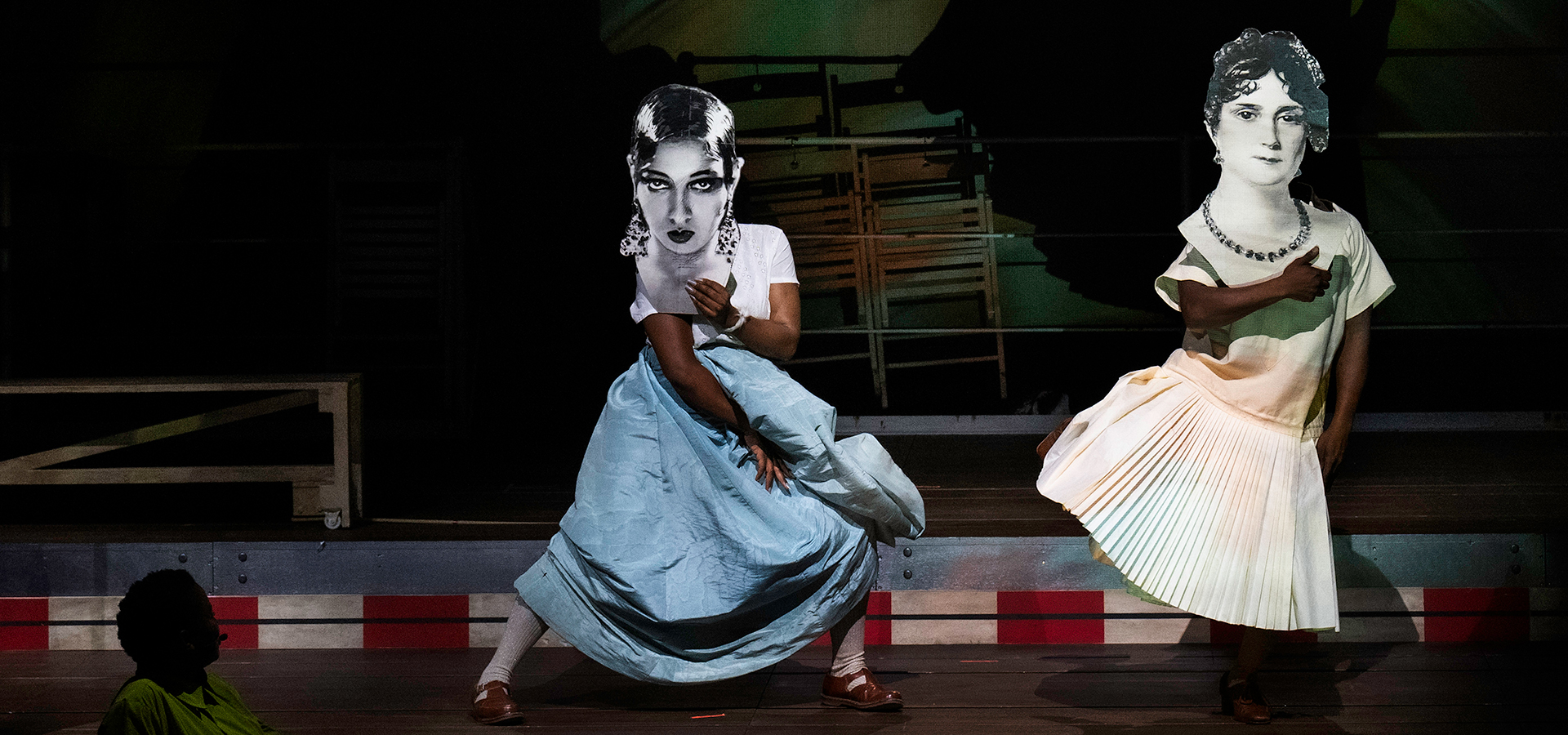
Here’s my feature on the new project from William Kentridge, which will be presented this weekend in Berkeley by Cal Performances:
A new production by William Kentridge is always a major event. Few other artists at work today span so many media while at the same time reimagining them: drawing, painting, sculpture, printmaking, animated film, and musical-theater performance are all encompassed within his practice. But what makes Kentridge especially resonant for a global audience is how his innovations push beyond merely aesthetic considerations to pose big, open-ended questions about history and identity. continue
Here’s my recent interview for The Strad with conductor Matthew Aubin on his mission to reclaim attention for Fernande Decruck’s music:
For decades, French composer Fernande Decruck (1896–1954) was known only for her Sonata in C-sharp for alto saxophone, a staple of the classical saxophone repertoire. Many of her compositions were left unpublished at her untimely death at the age of 57 and sank into oblivion.
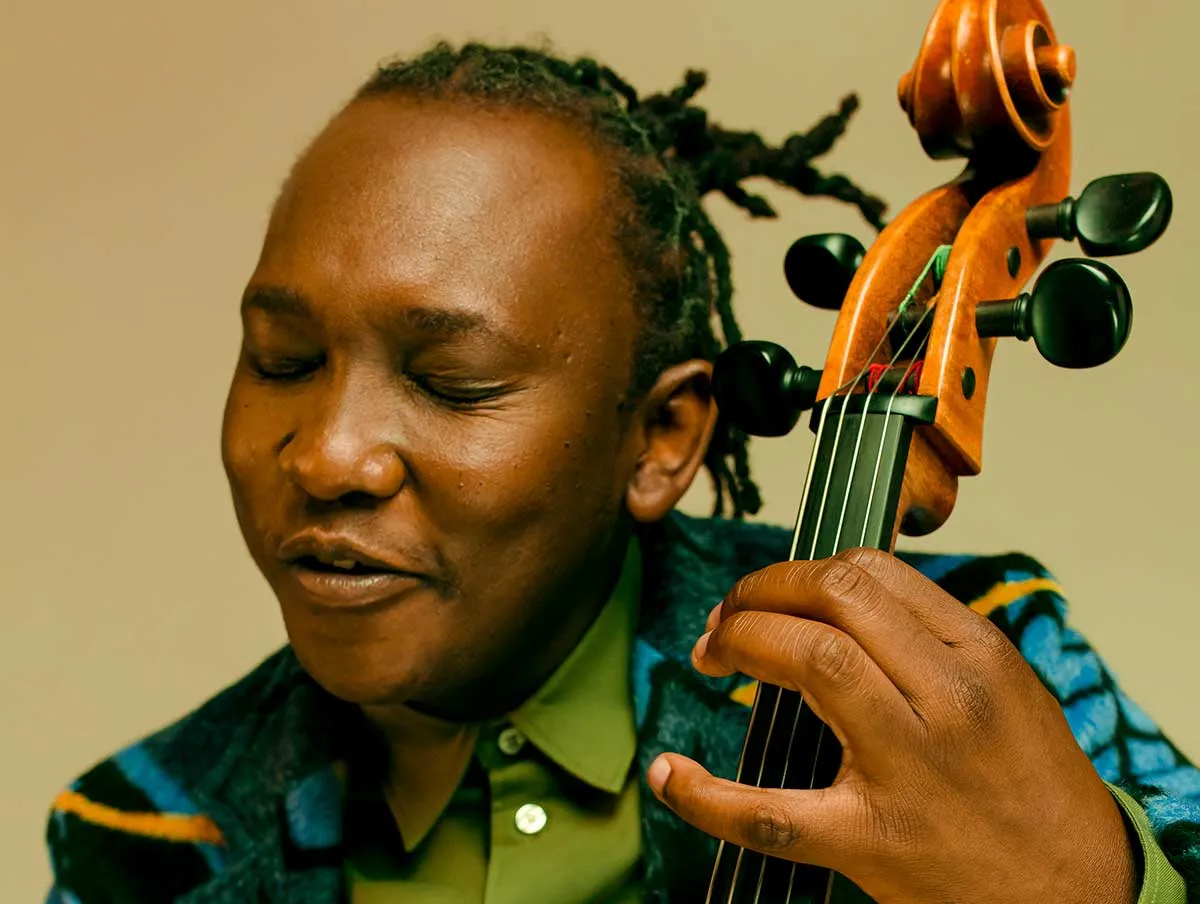
I had the privilege of speaking with the unclassifiable musical phenomenon Abel Selaocoe for this month’s Strings magazine cover story.
Any attempt to label Abel Selaocoe’s artistry is bound to fall short. While many of today’s young musicians defy easy categorization, Selaocoe ventures even further into uncharted realms. His expansive philosophy of communication views the cello as the extension of a larger voice—a storytelling device to navigate multiple dimensions of identity and community. Selaocoe uses his cello in tandem with singing, improvisation, body percussion, and ensemble energy to amplify a fundamental impulse to express, to connect, to belong. continue






 MEMETERIA by Thomas May