MEMETERIA

Icon

Arts writing by Thomas May

Tan Dun’s Buddha Passion

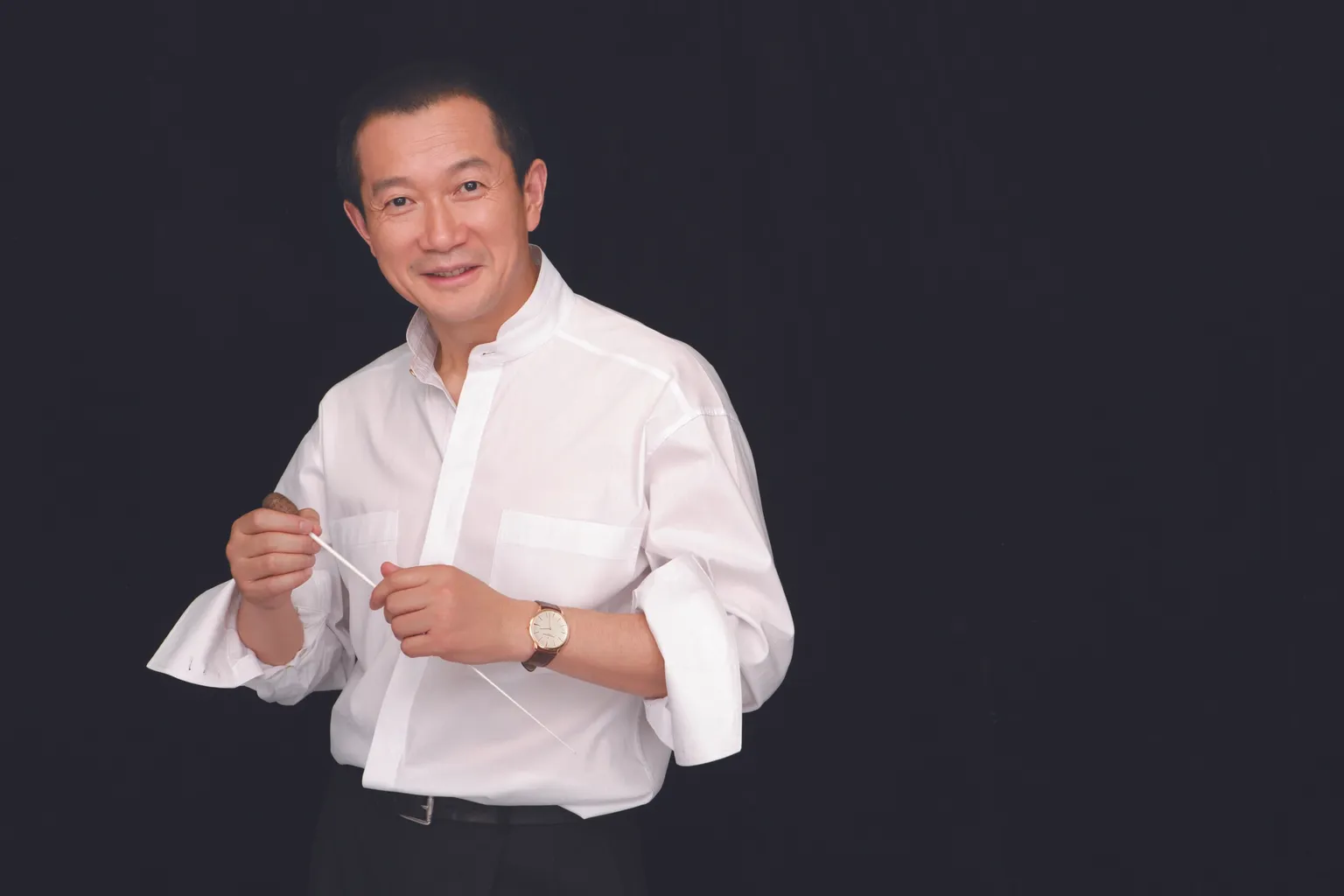
Composer Tan Dun (Courtesy of Tan Dun)

I wrote in advance about this week’s visit to Seattle Symphony by Tan Dun. Thursday night he conducted the Seattle Symphony, Seattle Symphony Chorale, Northwest Boychoir, and guest soloists in a moving performance of his Buddha Passion.

Here are excerpts from my review of the US premiere of Buddha Passion, performed by the Los Angeles Philharmonic under Gustavo Dudamel in 2019:

LOS ANGELES—A signature of Tan Dun’s most successful compositions is his gift for mixing putatively disparate elements into powerfully original amalgams. To make that happen means being able to take serious risks—and the premise behind Buddha Passion is nothing if not bold. The audience’s euphoric reaction at Walt Disney Concert Hall, where the Los Angeles Philharmonic and a cast of guest performers under Gustavo Dudamel gave the United States premiere on February 8, confirmed the tangible impact of Tan’s wildly imaginative gamble here.

Buddha Passion uses the rough outlines of the Christian Passion oratorio as a vehicle to explore the life and teachings of the Buddha. Tan drew inspiration specifically from the Mogao Caves outside the northwestern Chinese city of Dunhuang. These encompass over a millennium’s worth of murals and sculpture relating to Buddhism as well as artifacts that even contain evidence about the music of this period.

It’s fitting that Dunhuang was an ancient Silk Road outpost, since, on multiple levels, Buddha Passion stages a meeting place for diverse cultural phenomena: not only between the Passion format of the Christian West and Buddhism but between the Western orchestra/chorus and a Chinese-inflected soundscape, populist folk idioms and innovative “high art,” music, theater, and visual art. 

Tan’s Water Passion from 2000 responded directly to the Christian model, representing a millennial, global perspective on Bach’s St. Matthew Passion. In my view, Buddha Passion’s looser connection to the Passion idea—the composer also conceives of it as an opera—has resulted in a much more compelling work of art that transcends surface novelty and achieves a moving coherence on its own terms.

Over its two hours (including one intermission), Buddha Passion unfolds in six “acts,” each using a famous story associated with the Buddha himself or his teachings and sharing a core message of compassion, underscored by a recurrent chant motif. Tan distributes the voice of the Buddha among his various soloists and the chorus. In the first act, for example, the death of a bird leads Little Prince (sung by mezzo Huling Zhu) on his path to enlightenment. The stories share the clarity and directness of folk tales—such as the Deer of Nine Colors (soprano Sen Guo), a benevolent force who is killed by a man she has saved from drowning (tenor Kang Wang), or a contest of minds in the Zen tale of a woodcutter (bass-baritone Shenyang) whose wisdom awes the Master Monk. Yet from such simple elements and easily recognizable music gestures, Tan has constructed a monumental and richly complex work.

His instrumental resources blend the Western orchestra with an expanded percussion section including Tan’s hallmark “organic” sound sources from water and wood. In one scene, the fantan pipa virtuosa and dancer Chen Yining enchanted by setting the scene for a magnificent palace. 

Tan crafted his own libretto from original sources (a few bits in Sanskrit, the majority in Mandarin), and the LA Master Chorale as well as LA Children’s Chorus were also called on to incorporate Chinese techniques, including extensive glissandi.

Paradise seems never to be as conducive as the stumbling blocks to get there when it comes to inspiring art, and at moments I worried that Tan’s mellifluous, long-limbed melodies would become too syrupy. But context is everything here, and I found the sincerity of these gestures to be enhanced by the enormous variety of stimuli—not only musical—with which Buddha Passion teems, so that these moments served an emotional purpose similar to the directness of the narratives. 

The most powerful foil to potential sentimentality came in the indelible fifth act (“Heart Sutra”), which recounts the tragic meeting between a minstrel monk and Nina, a woman from the West who dies in his arms. With contributions by two indigenous artists taking center stage here—the Mongolian throat singer and Batubagen, also playing erhu, and the singer-actress Tan Weiwei—the intensity of this section made it stand apart as an opera-within-the-passion. Yet it was also brilliantly integrated into the narrative flow Tan had established. 

This passage also underscored the success of another facet of the composer’s fusion in this work: the ability to weave ancient, folk-based music and traditions into his unique language. Elsewhere in Buddha Passion we heard dense harmonic clusters radiating an Ivesian aura while, punctuating the finales of both parts (acts three and six), vibrant, tumultuous dithyrambs of rhythmic energy. This Buddha, when awakened, is not one to go gently into that good night. 

Filed under: review, Seattle Symphony, Tan Dun

An Electrified Concerto Zaps Violin Tradition With Cosmic Fantasy

Pekka Kuusisto was the soloist in Enrico Chapela’s ‘Antiphaser,’ a concerto for electric violin and orchestra, with the Seattle Symphony under Andrew Litton. (Photos by Brandon Patoc)

My review of Enrico Chapela’s new violin concerto, Antiphaser, which Pekka Kuusisto premiered on Thursday with the Seattle Symphony under guest conductor Andrew Litton:

It’s been nearly a year since Thomas Dausgaard’s abrupt departure as the Seattle Symphony’s music director, but the projects initiated under his tenure and delayed by the pandemic continue to make their way to the Benaroya Hall stage. The latest of these is Antiphaser, a concerto for electric violin and orchestra by the Mexican composer Enrico Chapela. Trading his 1709 “Scotta” Stradivari for an electronically amplified instrument, Pekka Kuusisto joined the orchestra to perform the world premiere under the baton of Andrew Litton on Nov. 3….

continue

Filed under: commissions, review, Seattle Symphony, violinists

El último sueño de Frida y Diego at San Diego Opera

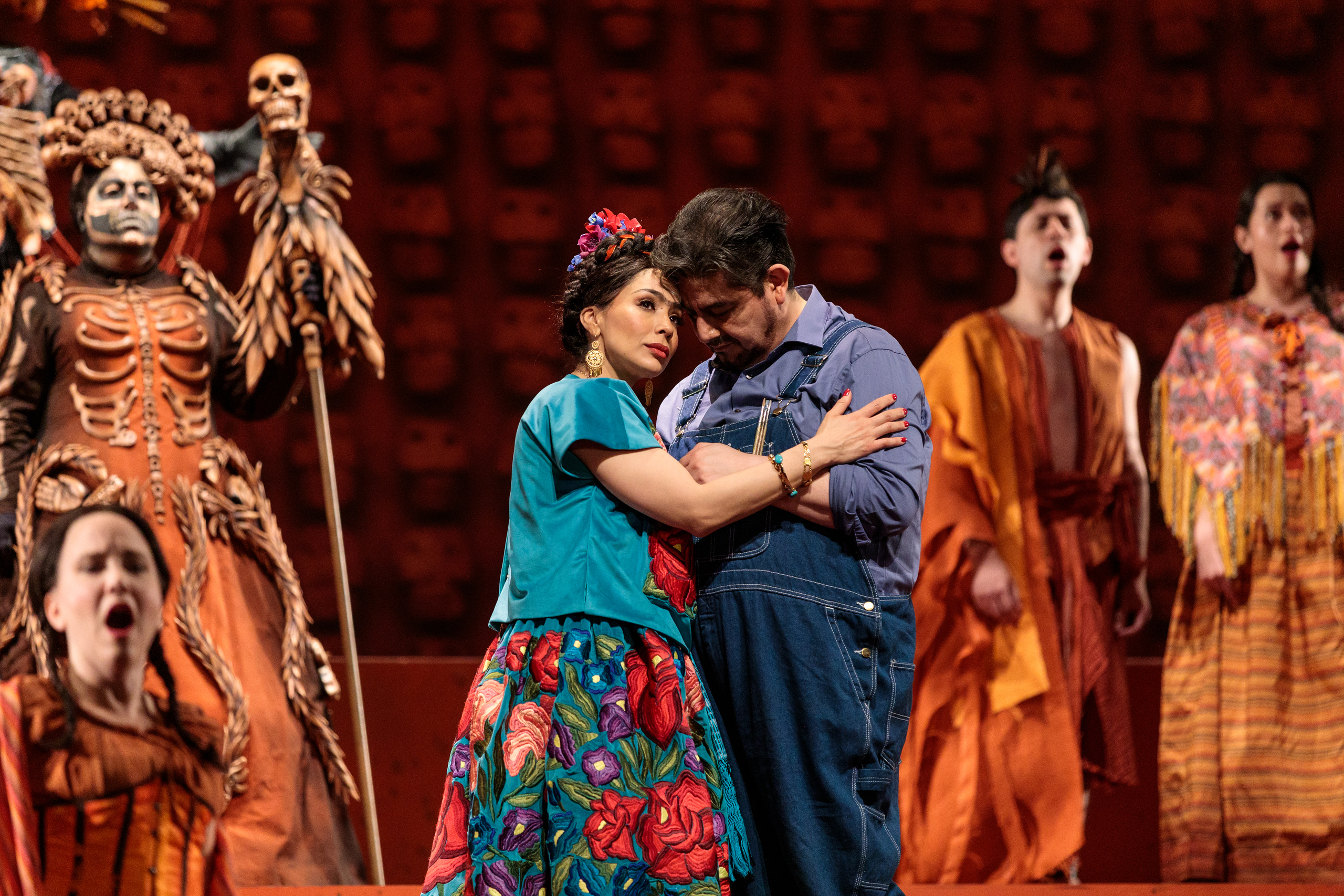
Guadalupe Paz as Frida Kahlo and Alfredo Daza as Diego Rivera; photo credit: Karli Cadel

My review of the world premiere of Gabriela Lena Frank’s new opera about Frida Kahlo and Diego Rivera, which sets a libretto by Nilo Cruz, is available here at Musical America (no paywall through the weekend):

SAN DIEGO  — At the center of El último sueño de Frida y Diego (The Last Dream of Frida and Diego), Frida Kahlo decides to cross over from the underworld and return to the realm of the living. It’s a conceit that cries out for operatic treatment, and composer Gabriela Lena Frank and librettist Nilo Cruz oblige with an inspired fusion of music and poetry. 

continue

Filed under: American opera, review, San Diego Opera

Hilary Hahn and Alpesh Chauhan at Seattle Symphony

Hilary Hahn, Alpesh Chauhan and the Seattle Symphony (c) Brandon Patoc

Hilary Hahn and Brahms were the big name draws, but Seattle Symphony’s program introduced a remarkable guest conductor who made a powerful impact.

My review for Bachtrack:

If Hilary Hahn restored a sense of continuity with familiar, and essential, musical values, the audience that packed Benaroya Hall for her return engagement with Seattle Symphony also had a wonderful surprise in store with guest conductor Alpesh Chauhan’s debut …

continue

Filed under: conductors, review, Seattle Symphony, violinists

John Adams’s Antony and Cleopatra at San Francisco Opera

Gabrielle Beteag as Iras, Amina Edris as Cleopatra, Taylor Raven as
Charmian, and Gerald Finley as Antony

I wrote about John Adams’s latest opera for Musical America:

Filed under: John Adams, review, San Francisco Opera

Moving Nonsense and Beauty from Theatre22

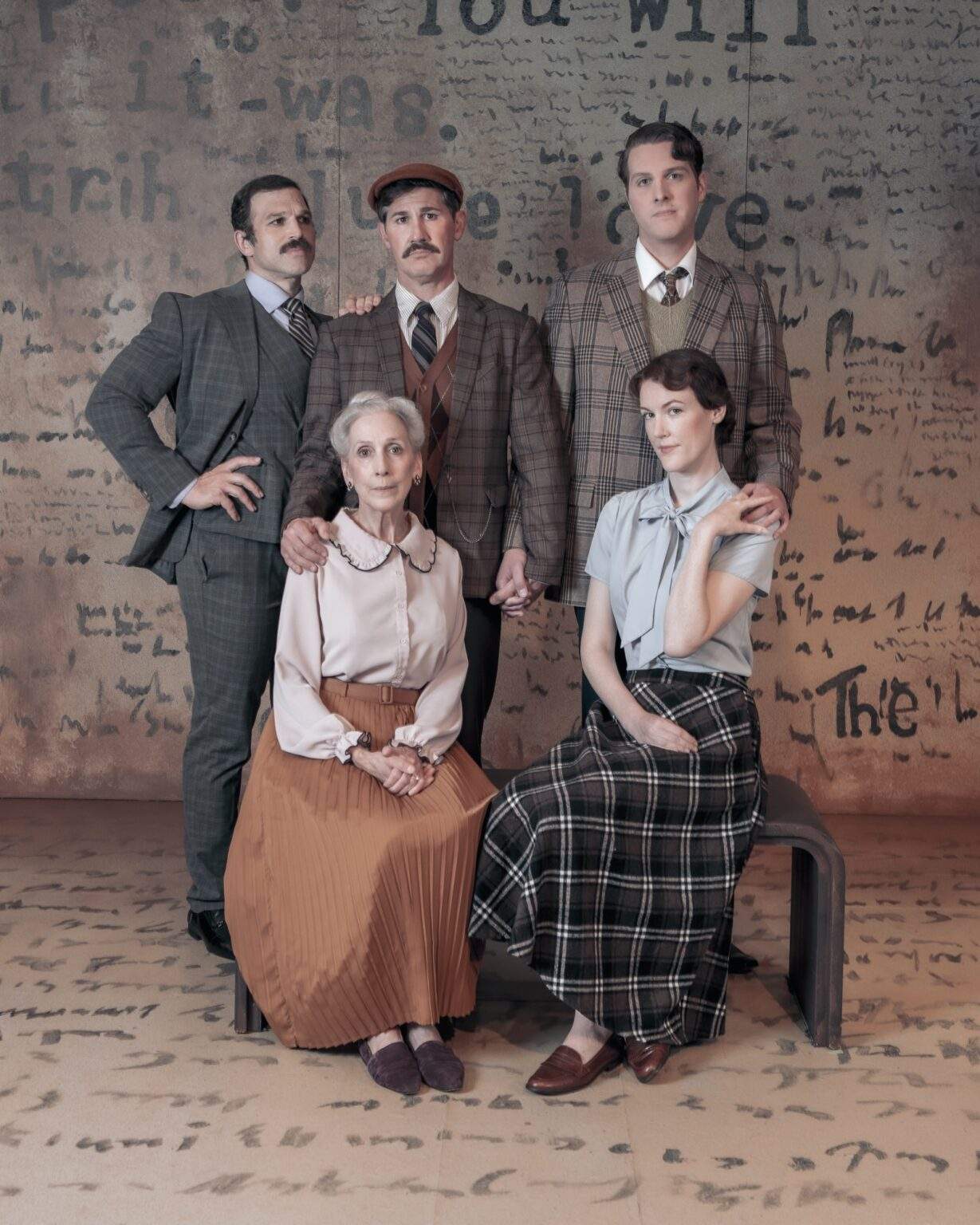
Cast of Nonsense and Beauty (c) Truman Buffet

I can’t recommend Theatre22’s current production highly enough. It marks the West Coast premiere of Scott C. Sickles’s Nonsense and Beauty, a dramatic portrayal of the decades-long love story between novelist E.M. Forster and Bob Buckingham.

Sickles is a welcome discovery for me. Nonsense and Beauty received its world premiere in March 2019 at the Repertory Theatre of Saint Louis. Structured as a mostly linear sequence of brief, cinematic scenes, the play traces the emotional and sexual connections between the lovers from their first encounter during an Oxbridge boat race party in 1930 until after Forster’s death in 1970. The dialogue is gratifyingly stylish and compelling; Sickles occasionally incorporates excerpts from Forster’s prose as well. (The eponymous quote, from , runs: He felt that nonsense and beauty have close connections,—closer connections than Art will allow,—and that both would remain when his own heaviness and his

Sickles is a welcome discovery for me. Nonsense and Beauty received its world premiere in March 2019 at the Repertory Theatre of Saint Louis. Structured as a mostly linear sequence of brief, cinematic scenes, the play traces the emotional and sexual connections between the lovers from their first encounter during an Oxbridge boat race party in 1930 until after Forster’s death in 1970. Aside from a few longueurs that could be clipped, the tempo flows smoothly and is engaging.

The dialogue is gratifyingly stylish, compelling, without pretension; Sickles occasionally incorporates excerpts from Forster’s prose as well. (The eponymous quote, from The Longest Journey, runs: “He felt that nonsense and beauty have close connections,—closer connections than Art will allow,—and that both would remain when his own heaviness and his own ugliness had perished.”)

Based on biographical events, Nonsense and Beauty poignantly, without self-congratulatory hindsight, reimagines the atmosphere of risk-taking, secret intimacy, fear, and life-affirming liberation that surrounded Forster (Eric Mulholland) and his much younger lover, a policeman at that (Russell Matthews). Sickles doesn’t limit himself to the couple’s relationship but also explores the confusion that unfolds when Bob decides to marry May, an independent-minded nurse who has cared for him — and who loves literature, especially Forster’s writing (Jennifer Ewing). What results is a far cry from the stereotypical love triangle but a moving portrayal of the complex web of entanglements and loyalties of an enduring love.

The love story expands to include the circle of Forster’s close friends, represented by the witty, outspoken, and courageously out fellow writer and editor J.R. Ackerley (Hisam Goueli). His mother Lily (Marty Mukhalian), with whom he still lives in the first years of his relationship, observes judgmentally but suppresses her own critique after a certain point.

Corey McDaniel, who is Theatre22’s founder and producing artistic director, does the company proud directing a first-rate cast who each bring an individual stamp to their characters. Thanks to the efficiently Minimalist design, the flash of color provided by a symbolically fraught rosebush is especially effective.

But the achievement is bittersweet, as it seems this is, unexpectedly, Theatre22’s farewell production. I fondly recall the company’s inaugural show from almost a decade ago (also directed by McDaniel). Theatre22 has been a much-needed part of Seattle’s theater ecosystem, so it’s painful to realize all that will vanish. All the more reason not to miss Nonsense and Beauty, which runs at the Seattle Public Theater through October 2.

Filed under: review, theater

Seattle Symphony Continues Its Reunion with Ludovic Morlot

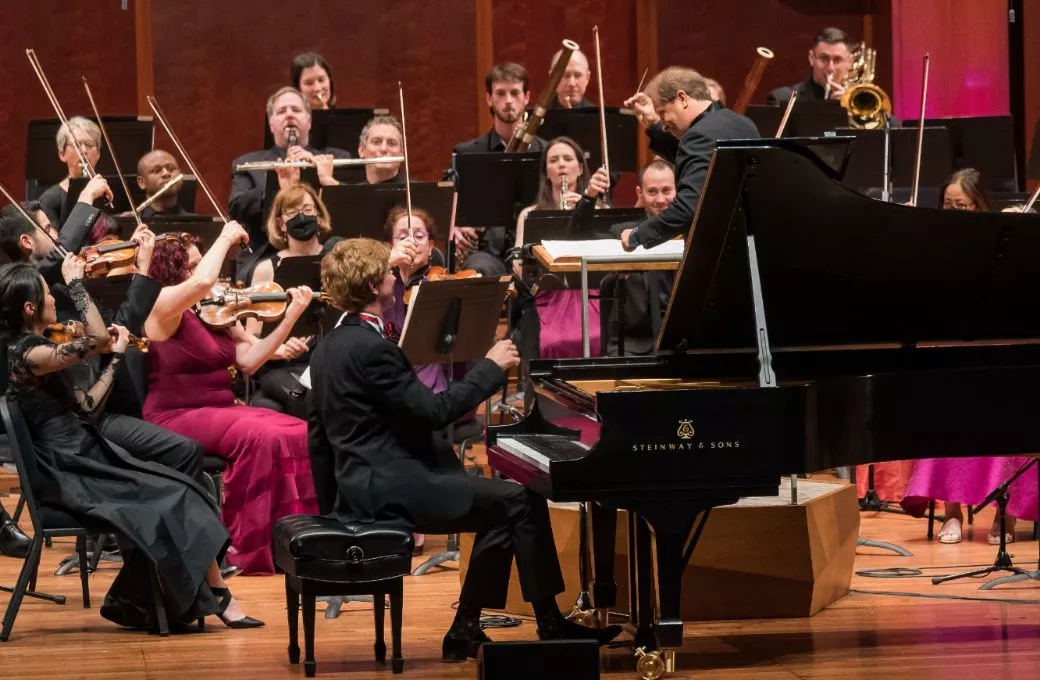
Ludovic Morlot conducting the Seattle Symphony with soloist Jan Lisiecki in Grieg’s Piano Concerto; image (c) Brandon Patoc

Several times during Seattle Symphony’s concert last night, it felt like a time machine had whisked us back a few years to the Ludovic Morlot era. The orchestra reunited with its former music director last weekend on opening night and is continuing the collaboration for the first full concert of the season’s subscription series. And they’ve managed to reactivate something of the chemistry that made their first seasons together so exciting.

You could sense it in the joyful enthusiasm with which they brought to life the opening piece, Tidalwave Kitchen, by Gabriella Smith. For the second time in a row this month, Morlot and the SSO launched a concert with music by a young woman composer inspired by the West Coast’s natural beauty — last Saturday, it was the world premiere of PNW native Angelique Poteat’s  Breathe, Come Together, Embrace. So far as I know, Tidalwave Kitchen marked the first time the SSO has performed music by Smith, who hails from Berkeley and was mentored early on by John Adams. 

In a short introduction onstage, the talented young composer remarked that it was in this piece that she first had the reassurance of arriving at her own voice. Smith wrote it a decade ago, prompted during her student years on the East Coast by intense homesickness for the “beautiful and dramatic landscape of the Northern California coast” where she’d grown up. 

Smith elaborates in her composer’s note on the memories of that landscape that inspired her: “hikes shrouded in fog, tide pooling on the rocky beaches, and sitting by the Pacific listening to the hallucinatory sounds of the ocean, the keening gulls, pounding surf, sizzling of sand and sea foam, drifting in and out of fog and clarity, order and randomness, reality and imagination.” 

The resulting music paints no pretty postcard but is an immersive, sensory-rich orchestral fantasia, unpredictable yet persuasive in its wildly dramatic mood swings. Smith seems to want to embrace the world the way a Mahler born into the 21st century might have set out to do so, using post-Minimalist devices to power up and take flight. 

Fragments of a stable melody (or hymn?) want to coalesce at several points but remain shrouded by the almost-psychedelic haze of Smith’s timbral palette. A raucously festive outburst arrives at the climax, but its brash exuberance spills over into something vaguely ominously manic and then subsides. 

Over the summer, Morlot conducted the San Francisco Symphony in Tidalwave Kitchen, and he elicited palpable excitement from the SSO. It’s one thing to possess the keen musical imagination on display in this music, but Smith also shows a remarkable technical command of the resources of an orchestra, making the piece especially apt as a concert curtain raiser. I hope we get to hear more of her music in Benaroya Hall. 

Morlot will conduct his new orchestra (the Barcelona Symphony) in another piece by Smith later in October. Incidentally: this sought-after composer will be on the panel for the New York Times Events-sponsored seminar A New Climate exploring collective responses to climate change (October 12 in San Francisco).

Raucous, fiery energy likewise abounded in Jan Lisiecki’s account of the competitive folk dancing that drives the finale of Grieg’s Piano Concerto. Returning to the Benaroya stage following his inspired contribution to the opening night concert, Lisiecki approached the familiar concerto from an almost dizzying plenitude of perspectives. 

His variety of tonal colors was spellbinding: the thunderous chords of the massive first movement cadenza thrilled with power and accuracy, while the plaintive trains of the Adagio breathed the poetry of Lisiecki’s most personally inflected Chopin. It was especially nice to hear his rendition of Chopin’s posthumously published Nocturne in C minor as an encore, where he distilled that poetry to its most concentrated essence. I was also struck by the quality of his partnership with Morlot and the orchestra as he responded to the phrasings of individual players, such as the idyllic interlude flutist Jeffrey Barker shaped in the finale. 

The extreme pianissimos Lisiecki drew out of the Steinway foreshadowed the drama whipped up in the second half of the program. Morlot led the SSO in Tchaikovsky’s Pathétique Symphony back in 2014 (when it was similarly paired with new music — a piano concerto by Alexander Raskatov). Eight years on, to my ears there is no doubt that his understanding of this music has deepened and darkened. His command of the larger span of Tchaikovsky’s design has strengthened as well. 

The opening lamentation — expressively phrased by bassoonist Luke Fieweger, in one of several outstanding cameos from across the SSO’s ranks — set the terms of the drama as effectively as a memorable establishing shot by a seasoned director. Morlot outlined the long first movement’s disparate sections with a clarity that underscored the emotional polarities of Tchaikovsky’s enigmatic final symphony.

However, I found something lacking in the middle movements. The tricky meter of the second movement waltz came off sounding slack, even a bit sloppy, while the swaggering march in the third movement needed a tighter rein to wield its full irony. But Morlot inspired the most moving playing of the evening in the Requiem-like finale, building by subtraction so that the pitiless subsidence of Tchaikovsky’s conclusion overwhelmed with its negation.

The program will be repeated Friday and Saturday.

Review (c) 2022 by Thomas May. All rights reserved.

Filed under: Ludovic Morlot, pianists, review, Seattle Symphony

A Restorative Opening Night at Seattle Symphony, with French Accents

/

Jan Lisiecki, Ludovic Morlot and the Seattle Symphony; image (c) Brandon Patoc

My review of this weekend’s opening night concert:

Mixing the familiar with some discoveries, the Seattle Symphony offered a pleasingly varied program to open its new season. The event also brought an element of reassurance by evoking welcome memories of a more stable era as former music director Ludovic Morlot reunited with the orchestra…

continue

Filed under: commissions, pianists, review, Seattle Symphony

BBC Proms 2022: Guest Report

Guest contributor Thomas Luce on the recently concluded BBC Proms season:

The British Broadcasting Corporation’s 72 Promenade Concerts, which started in mid-July, ended two days before the Last Night of the Proms originally scheduled for 10 September. This is because such hugely joyful and triumphant public events would be inconsistent with the National Mourning following Her Majesty Queen Elizabeth’s deeply and widely grieved death on 8 September. 

The 2022 edition of the Proms very successfully delivered the gigantic and demanding variety of classical, modern, and some populist music summarised in my post here on 3 May. All of the programmed orchestras turned up, including those from Australia, Ukraine, Berlin, Finland, Norway, Cologne, and Philadelphia. And, generally, there were huge audiences in London’s Royal Albert Hall, which in the Promenade season can accommodate nearly 6,000 people.

All this year’s Prom concerts remain available on BBC Sounds until 10 October. Of the concerts we attended or heard, I would especially recommend the huge and powerful choral and orchestral programmes — which, until the end of Covid pandemic-related public restrictions (though not, of course, of the pandemic), were not allowable in public. So, for the first time in a couple of years, there were huge choruses with full orchestras: on Verdi’s Requiem(14 July), Mahler’s Resurrection Symphony (24 August), 29 August (Bach’s B minor Mass), Elgar’s The Dream of Gerontius (31 August), Beethoven’s Choral Symphony (2 September) performed by the ethnically diverse Chineke! Orchestra supplemented by English choral societies, and Beethoven’s Missa Solemnis (7 September) in a phenomenal performance by the Monterverdi Choir and the Orchestre Révolutionnaire et Romantique conducted by John Eliot Gardiner. Also very worthwhile were the two evenings by the world-famous Berlin Philharmonic on 3 and 4 September, which included Mahler’s Seventg Symphony, Schnittke’s interesting Viola Concerto, and Bruckner’s Fourth Symphony, as well a the superb performance by Sir Andras Schiff on Sunday morning (4 September) of Beethoven’s last three piano sonatas.

In addition to its recently broadcast public concerts, BBC Sounds makes all of its musical programmes available for a month or so. These include regular daily or weekly programmes, such as each day’s 24-hour playlist. Each Saturday morning also presents interesting record reviews. And each week a different composer is featured in hour-long discussions each day, which are informative and educational. Recently featured composers have included Dieterich Buxtehude and Ralph Vaughan Williams.

Another advantage of the performances available on BBC Sounds is that they are not interrupted by advertisements. The intervals usually contain musically illustrated and informative discussions of the programme and its performers. A good recent example was the interval discussion during the Prom of 5 September, which included works by the Franco-American Betsy Jolas and Mahler’s First Symphony, which provided fascinating information on the music as well as on professional performances of both composers.

The last of the dozen Proms that my wife and I went to was by the Philadelphia Orchestra on 8 September. We reached the hall a short time after the Queen’s death was announced. The orchestra was on the stage, but it was announced that because of her death the intended programme would not be performed and there would solely be the National Anthem and the Nimrod Variation from Elgar’s Enigma Variations: a sombre and subtly sad piece that beautifully reflects public grievance, just as Samuel Barber’s Adagio for Strings comparably does in America. It was very movingly played by the Philadelphia musicians, conducted by Yannick Nézet-Séguin.

Filed under: BBC Proms, review

Donizetti’s Elixir of Love at Seattle Opera

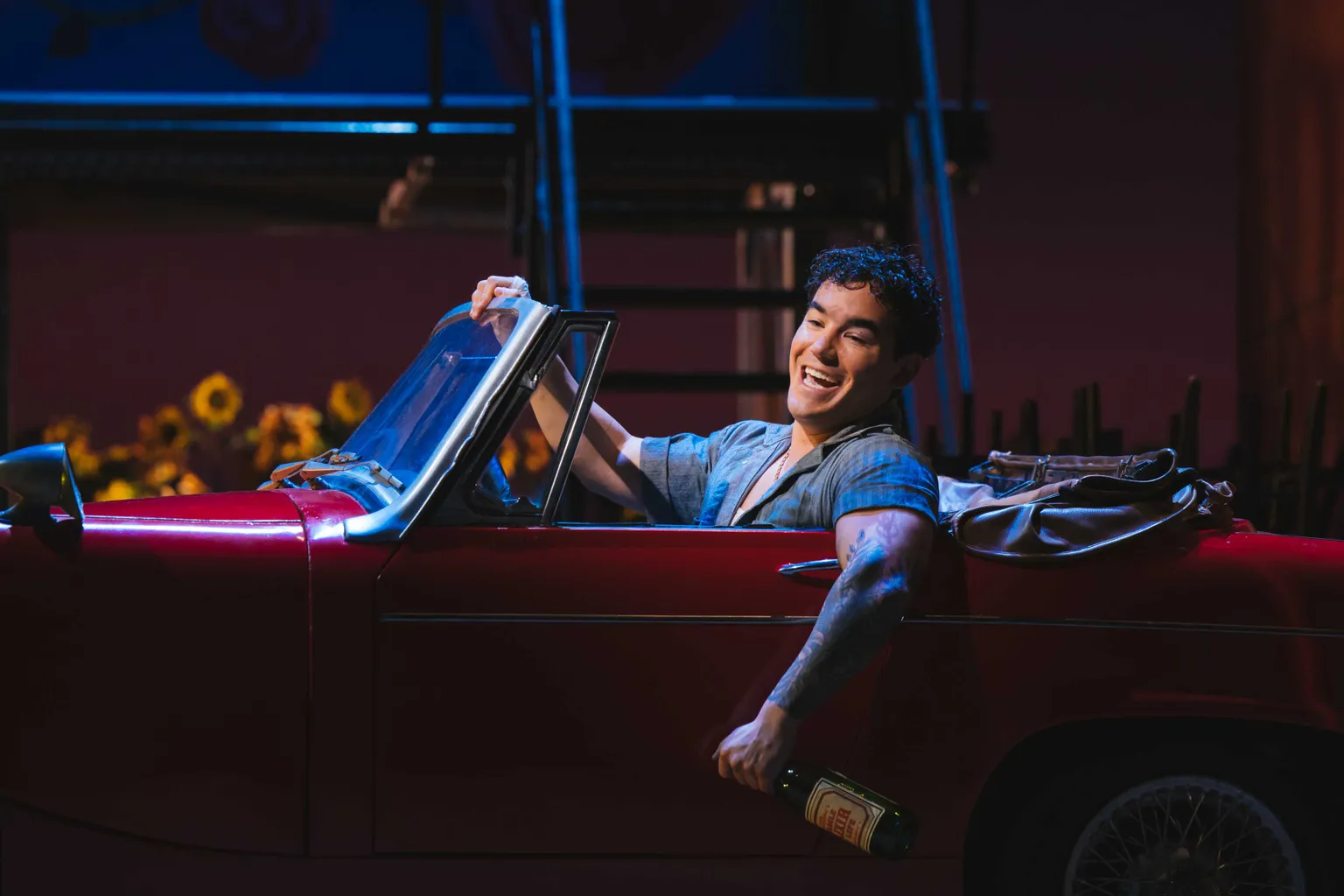
Andres Acosta as Nemorino in Seattle Opera’s production of “The Elixir of Love.” (Sunny Martini)

Seattle Opera’s new season has opened with a production of The Elixir of Love, Donizetti’s melodramma giocoso from 1832. Although I have to miss these performances, I reviewed the company’s production directed by David Gately when it was presented at the height of the pandemic virtually, as a film (with a different cast and a very small ensemble):

While the world pins its hope on a coronavirus vaccine, another elixir is getting top billing at Seattle Opera…

continue

Filed under: review, Seattle Opera

Archive

Enter your email address to follow this blog and receive notifications of new posts by email.